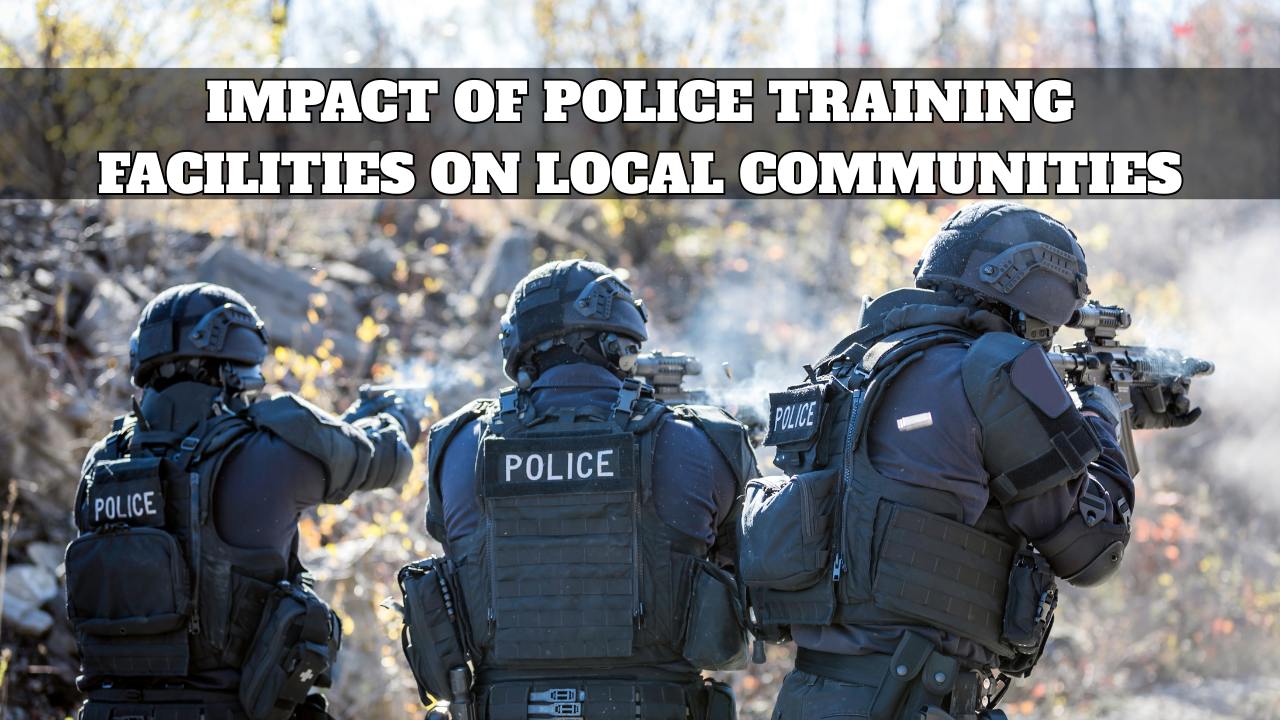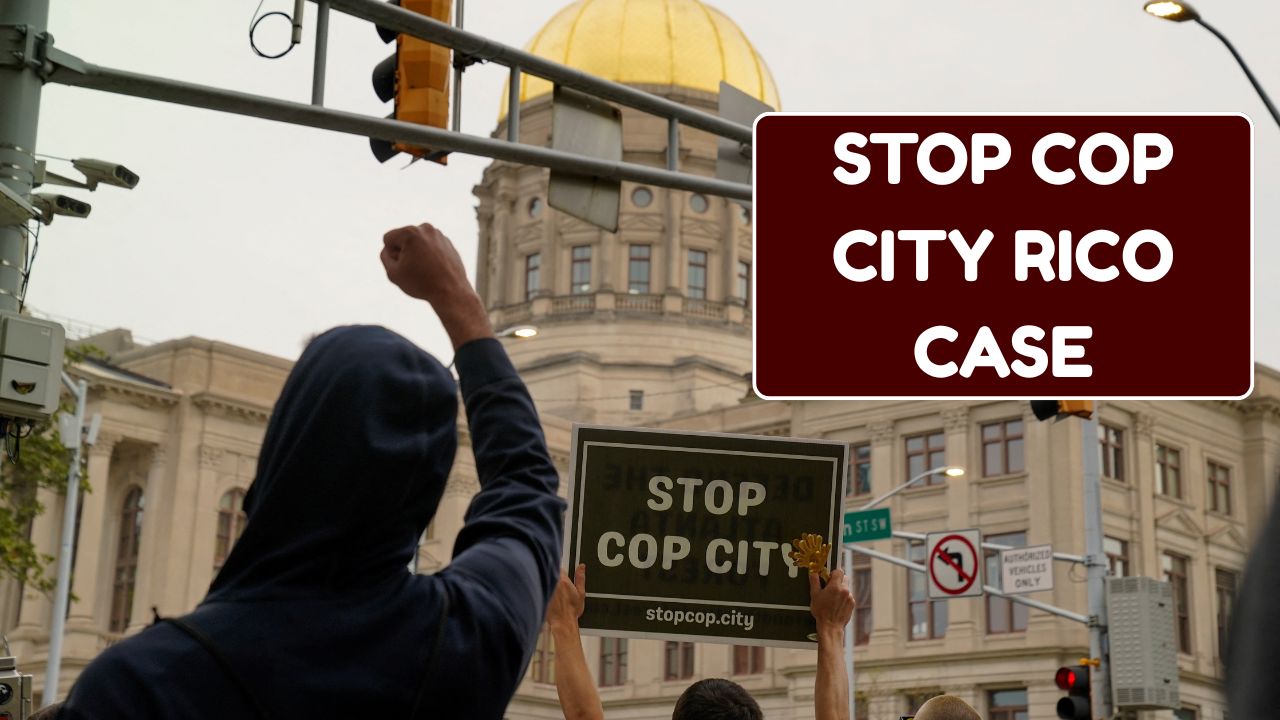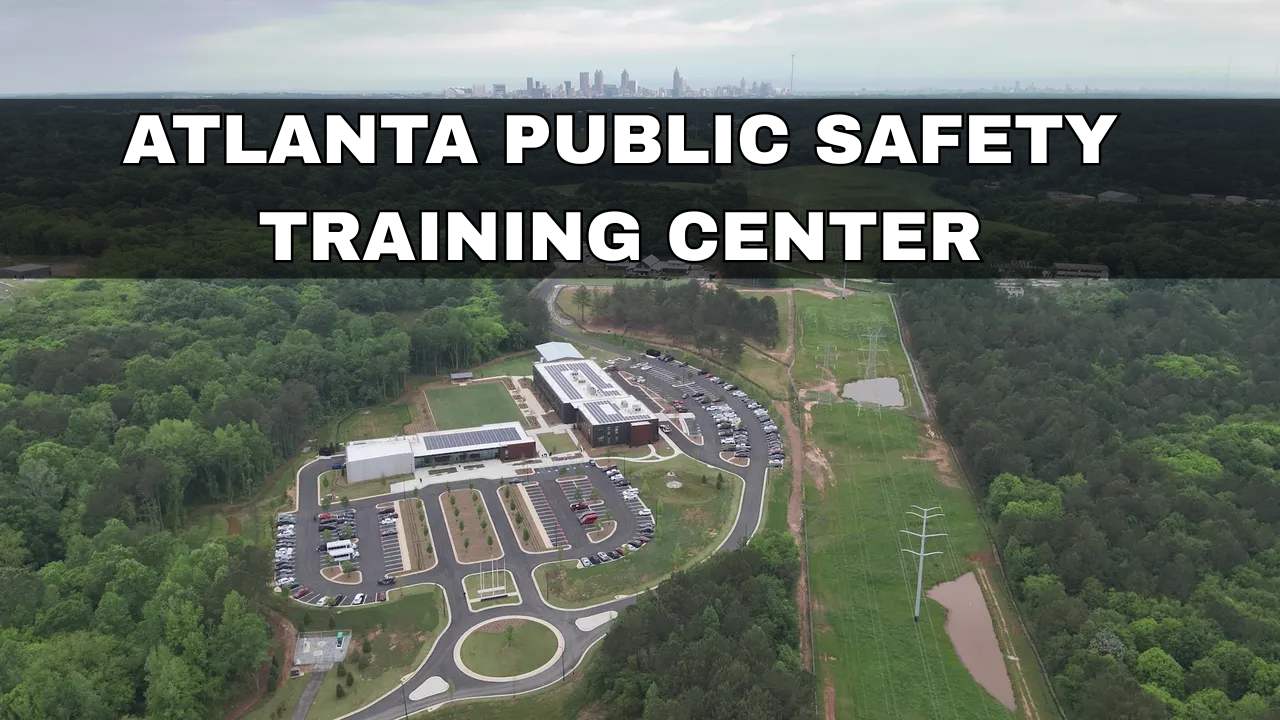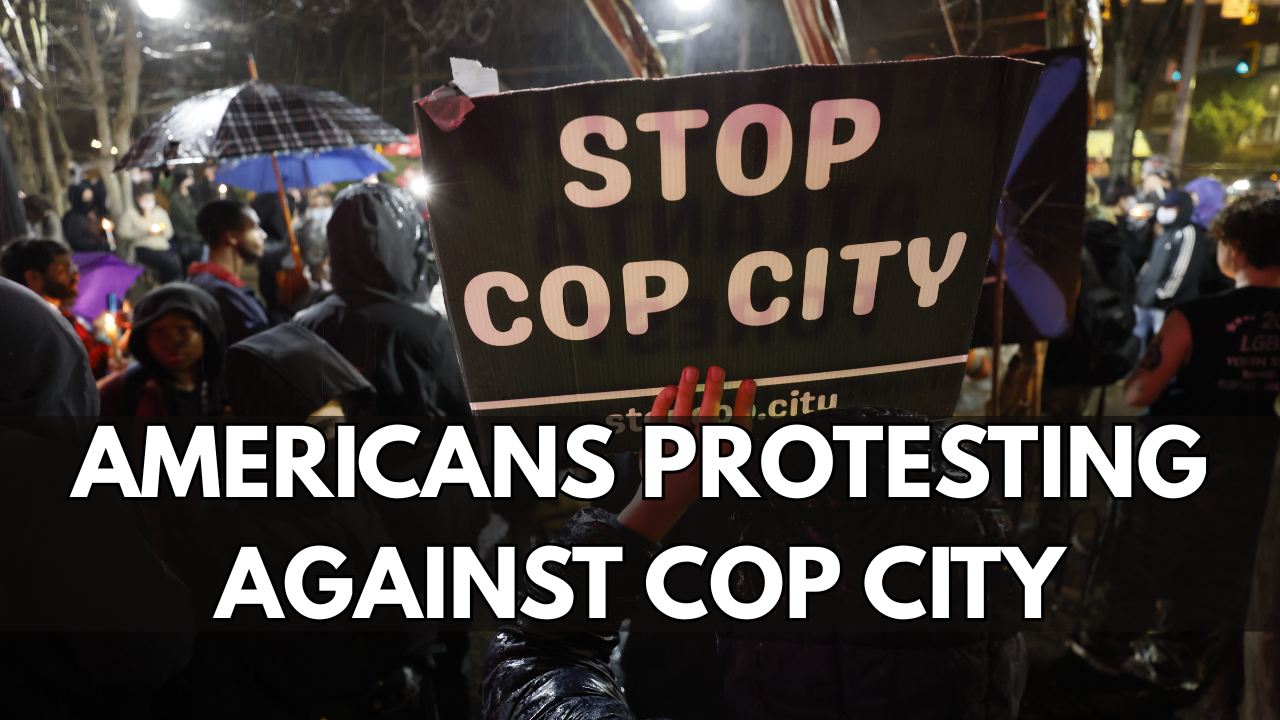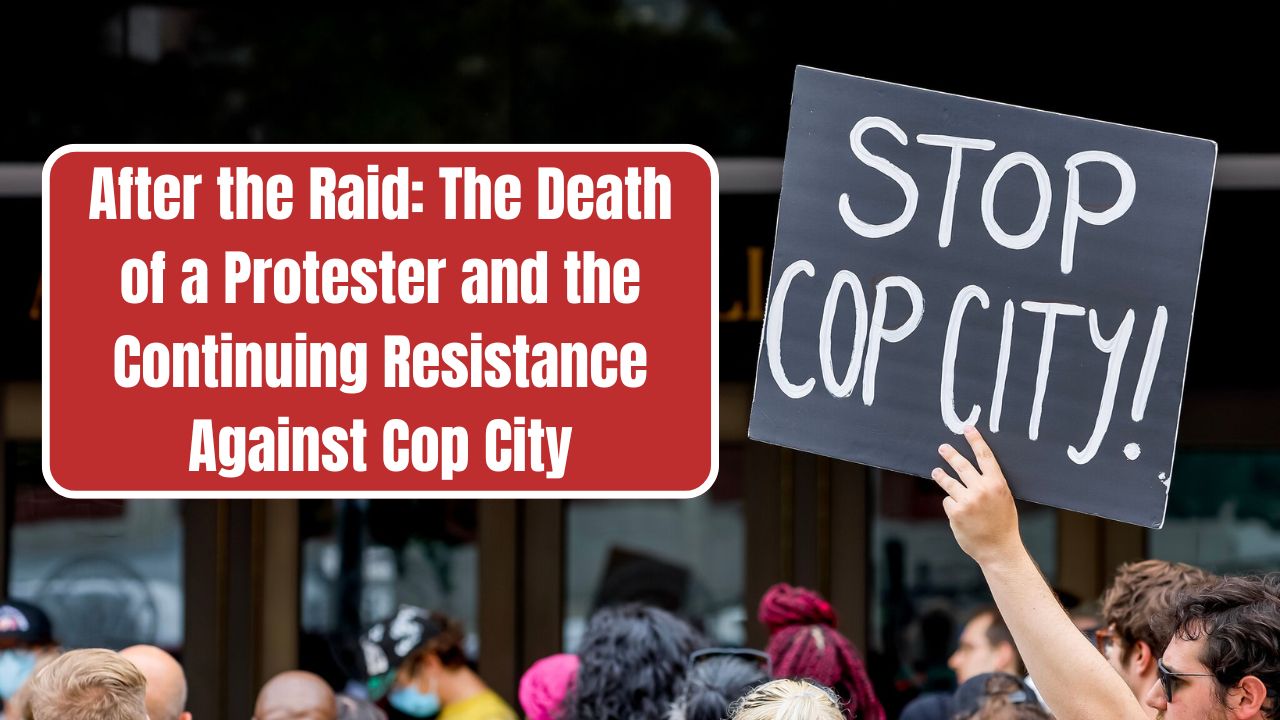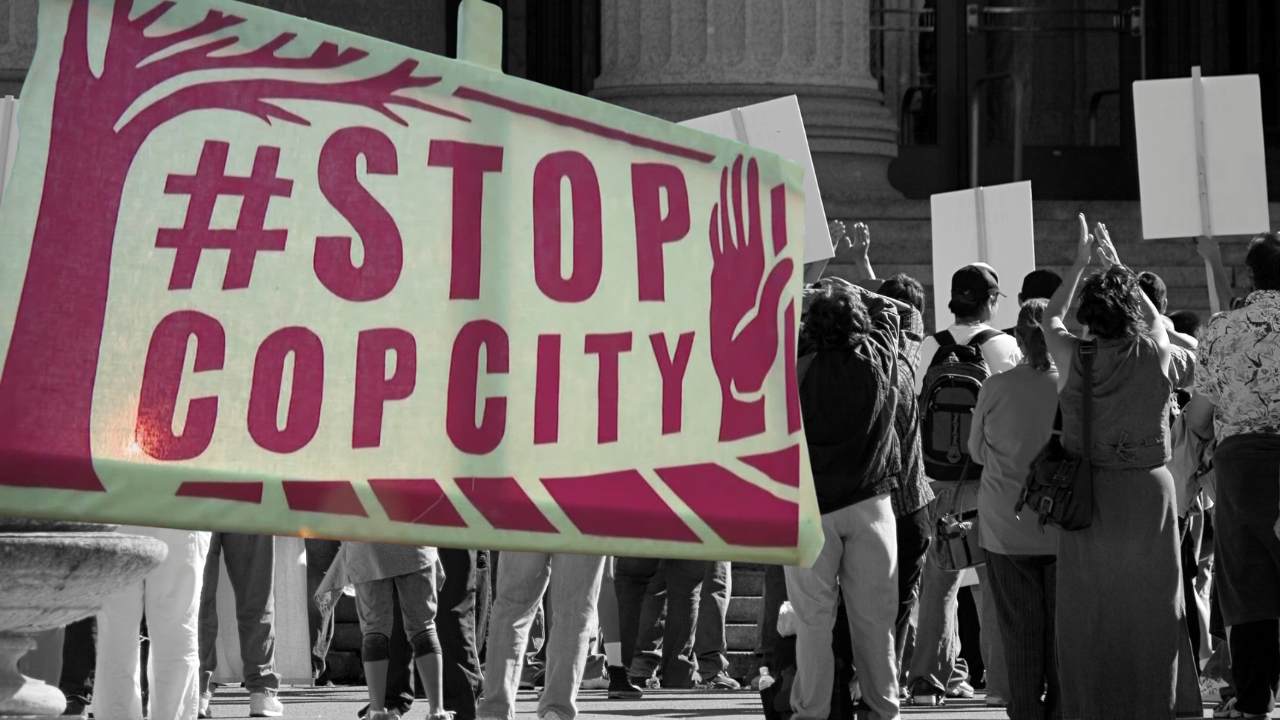
The “Cop City” controversy has emerged as a seminal case study of how political narratives, disinformation and media framing affect the public’s comprehension of complicated problems. What started out as a plan for a massive police training center swiftly evolved into a national discussion on protest culture, environmental preservation, state authority and so on. While some media outlets presented the initiative as essential to contemporary law enforcement, others emphasized the devastation of the resulting criminalization of protest. This blogpost is giving you detailing on this subject so keep your eyes on the data on this post.
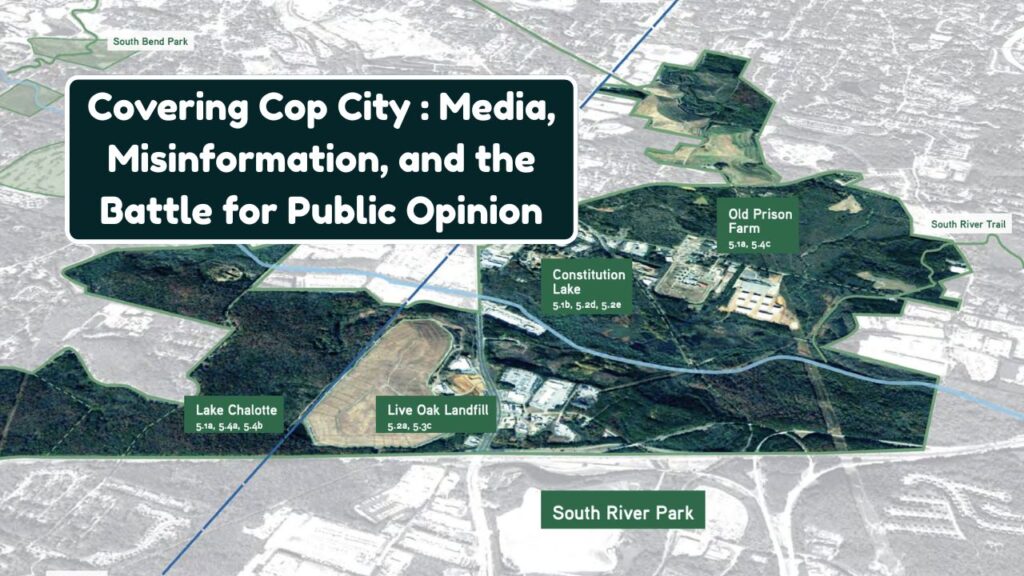
Covering Cop City
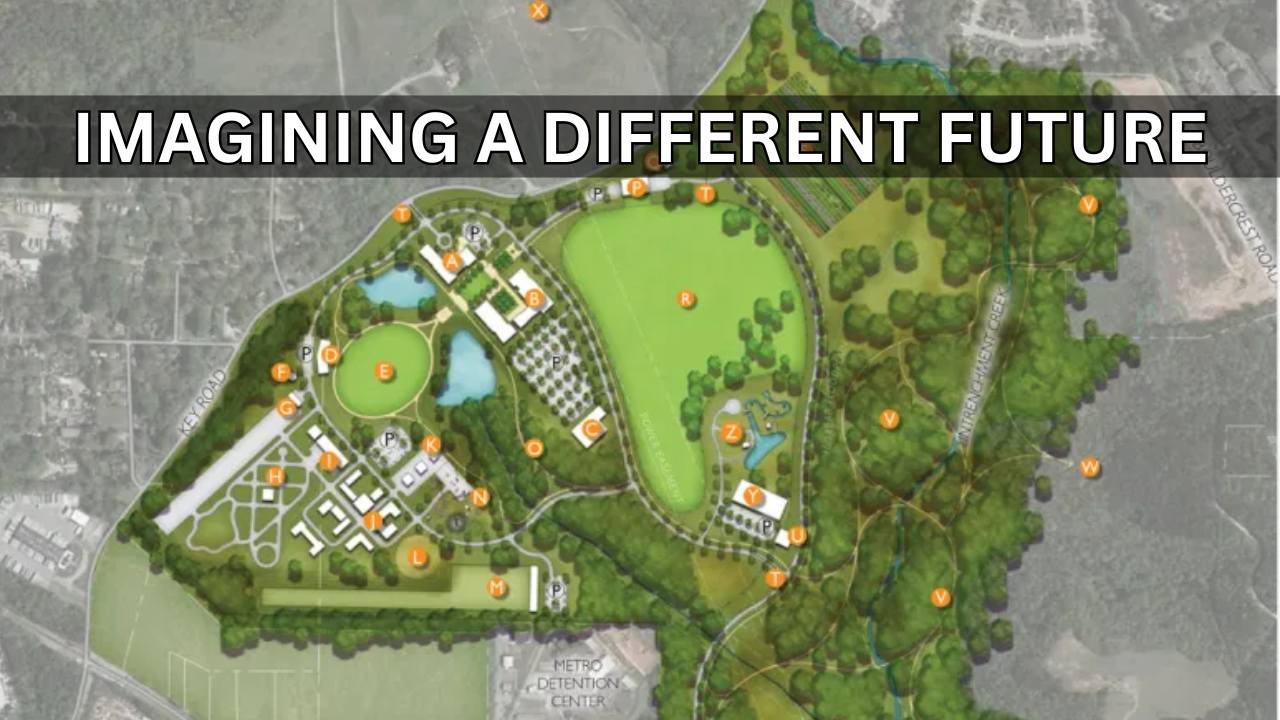
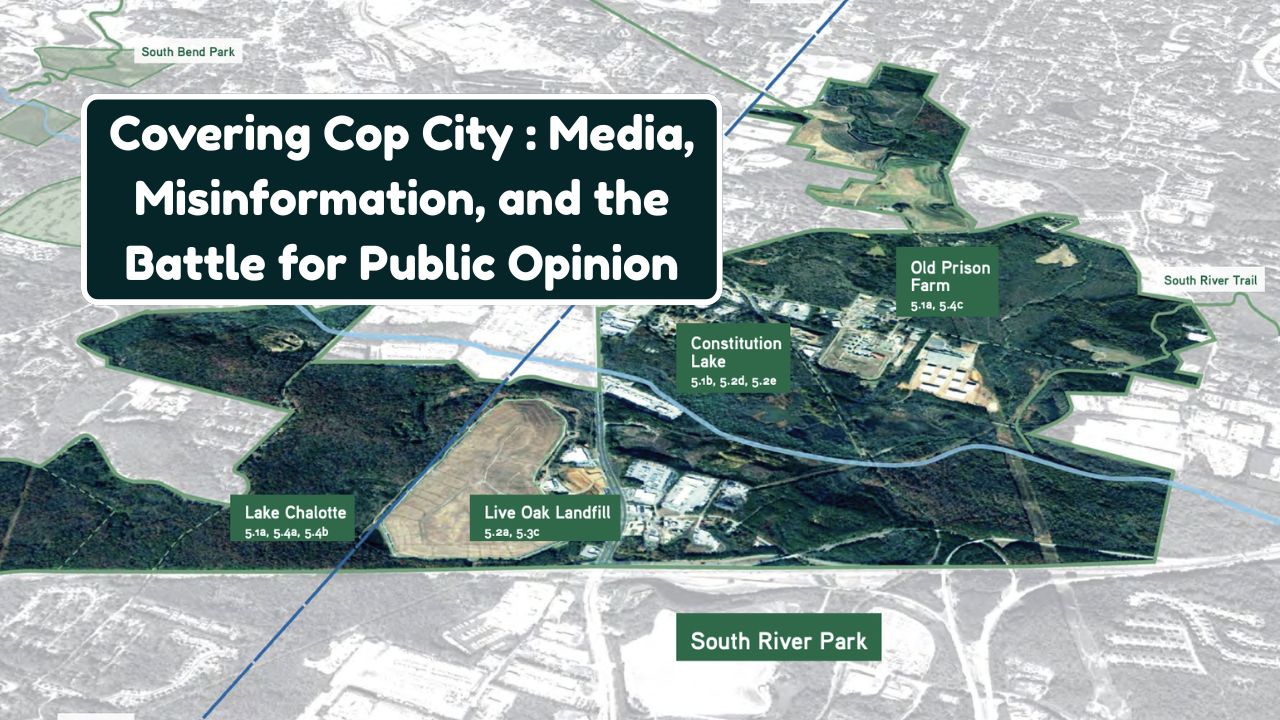
Cop City was presented as a step toward improved emergency response and public safety preparedness when it was formally proposed as a significant police and fire training complex. Other words you can say that “Cop City”, formerly the Atlanta Public Safety Training Center, who is planned extensive police and fire training facility in Atlanta. Through this they do driving tracks, shooting ranges, tactical simulation zones and mimic urban settings,the complex has been marketed as a way to update law enforcement.
Concept Of Cop City & Public Opinion
| About | Concept Of Cop City & Public Opinion |
| Official Name | Atlanta Public Safety Training Center |
| Purpose | For police and fire training using advanced simulation infrastructure |
| Features | Driving courses, imitation urban training zones, tactical facilities, firing ranges |
| Supporters | City leadership, law enforcement agencies, certain business groups |
| Concerns | Deforestation, wildlife loss, climate impact, reduced green cover |
| Category | News |
Media Framing Of Cop City : First Battleground
Traditional media rapidly broke into two viewpoints. Given increased public insecurity, one stream characterized Cop City as a vital law enforcement training investment. The view stressed order, protection, and institutional strength. Like activists, the other side saw the facility as a threat to environmental stability and civil liberty.
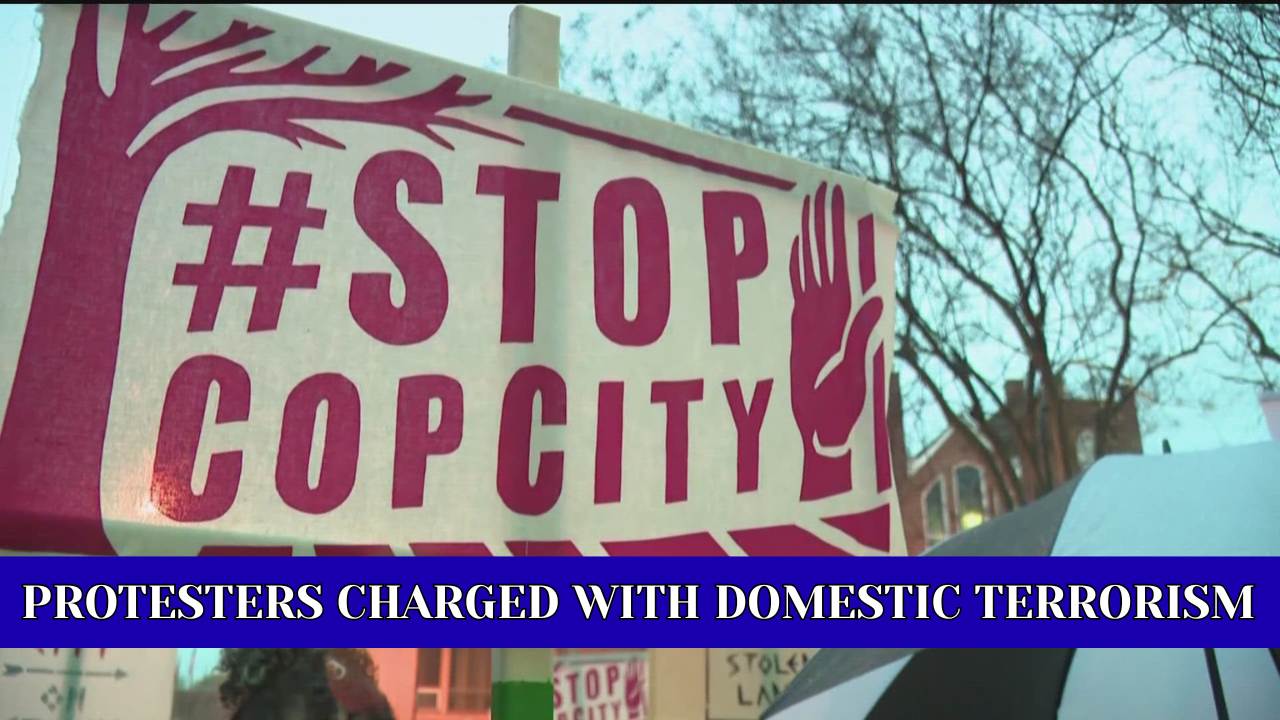
Powerful words like activists, protestors, riots, and domestic extremists dominated headlines. Terminology suggested empathy or suspicion. A forest defender was a security menace and an environmentalist hero in different reports. Words became weapons in polarized media.
Misinformation Multiplies Force
Where mainstream reporting divided, disinformation intensified it. Rumors, unverifiable statements, and altered clips spread quicker than correcting truth on social media. Without context, protest scuffle videos circulated. Unsourced statements were shared. Algorithms elevated fury over nuance, and public opinion polarized around tales rather than facts.
Digitally, misinformation was a strategy, not an accident. Some actors delegitimized the protest with misunderstanding. Others amplified resistance with it. Truth became subjective depending on whose feed one occupied in the fractured information ecology.
Corporate vs. Grassroots Journalism
In Cop City, grassroots reporting was a major storytelling force. Independent journalists livestreamed protests, interviewed people, and filmed police presence, challenging national media’s truncated storylines. Citizens journalism became essential for reporting details mainstream media withheld or sanitized.
Democratization increased the possibility of misreporting due to the lack of rigorous editorial review. Community trust, not institutions, gave grassroots storytelling credibility. In the public interpretation debate, both sides claimed authenticity.
Social Media Public Courtroom
Twitter, Instagram and TikTok circulate ideas faster than any law. In threads and video explainers, in thousands upon thousands of popular hashtags, supporters discussed it with opponents. Activists used social media to reveal the deforestation. Opposing campaigns worked the same infrastructure to call the movement illegal or disruptive, anti-police.
Online, this dispute between two teenagers mystified journalism and activism. An opinion can change faster with a viral post than with an article in the newspaper. Engagement metrics replaced authority. The public court became the comments section instead of a hall of justice.
How Responsible Media Must Move Forward
To help break through record levels of partisanship, media has to make more use of transparency, context and diverse sourcing. The environmental research should be reported to the same extent as protest updates, legal analysis beside footage from the field, community experience beside state assertions.
It’s also an important set of tools for the public media literacy to understand when and how to check, verify, cross-check information across channels. Journalism seeks the truth rather than coming in line with what you read, that is, not only consuming it.
FAQs On Covering Cop City
Why is Cop City named?
The nickname refers to its size and police training infrastructure.
What will the facility have?
Ranges, tracks and imitation towns.
Who backs Cop City?
Police, city officials and some businesses.
Cop City will be constructed where?
In South River Forest, Atlanta.
Why is the site contentious?
Construction paves over forests and disrupts ecosystems.
Who opposes Cop City?
Environmentalists, civil rightsists, and locals.
The biggest environmental issue?
Forest destruction, wildlife habitat disruption and climate change.