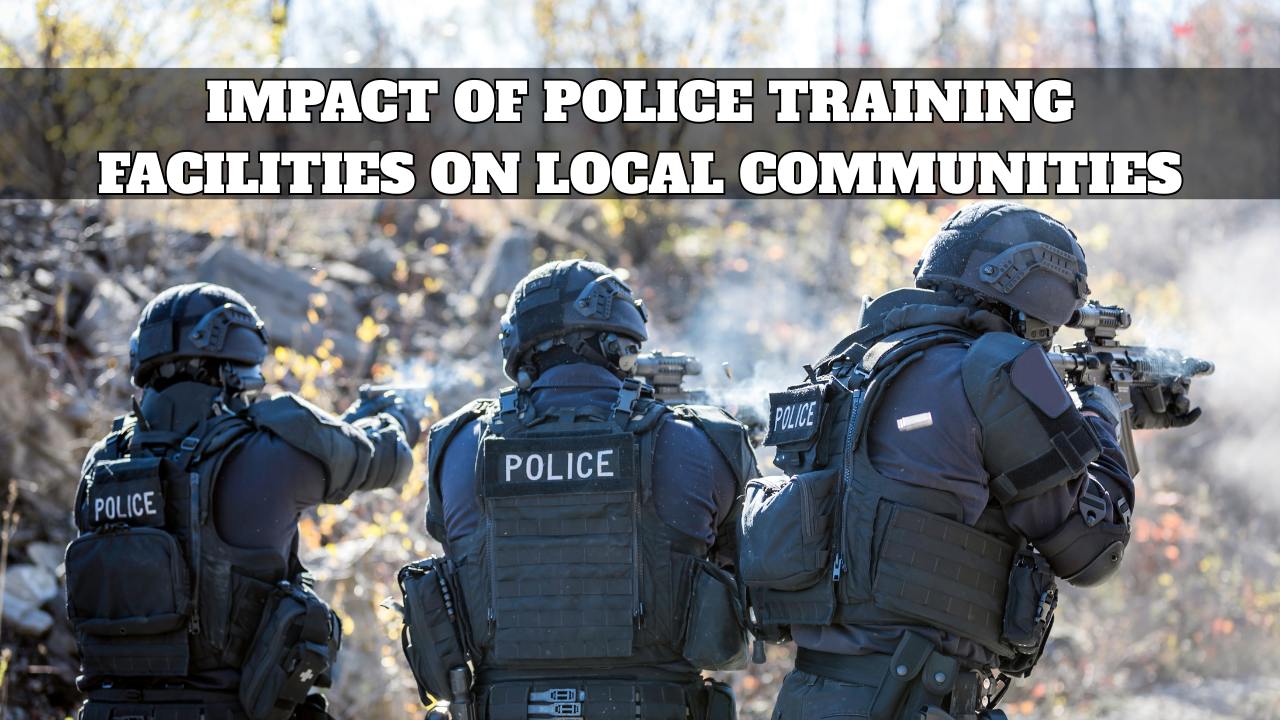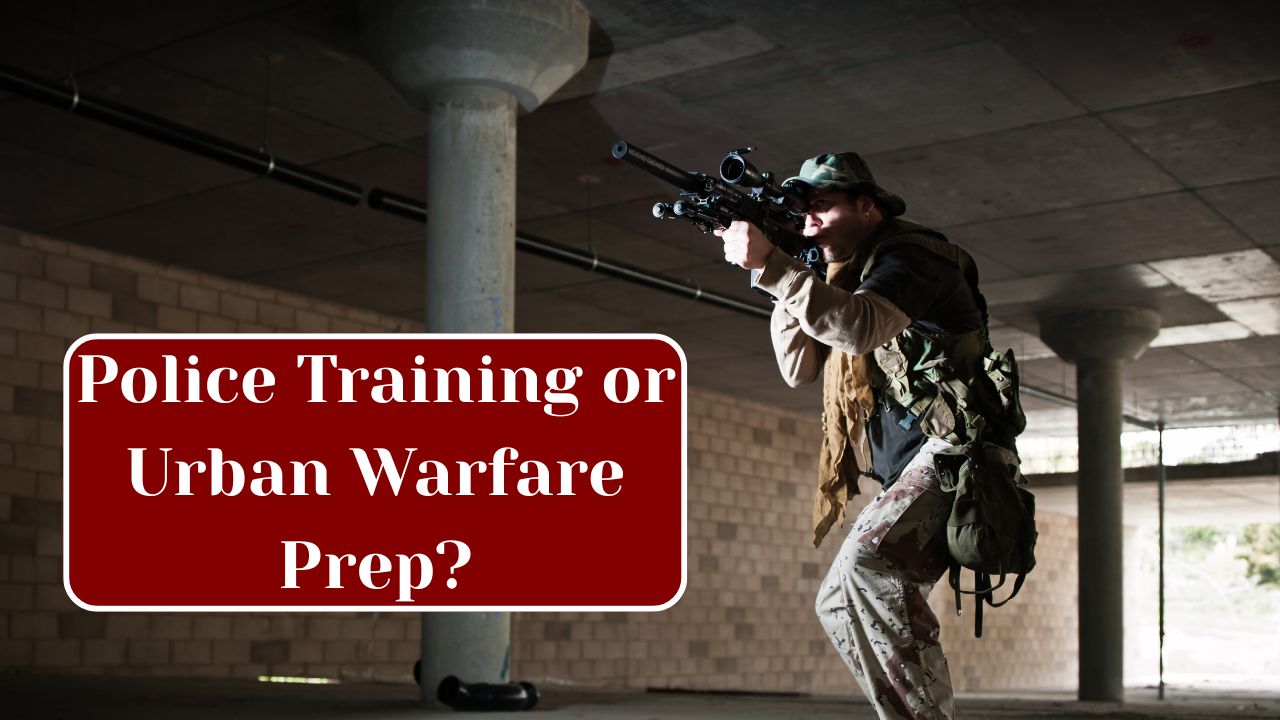
Over the last 20 years in America, there has been tremendous growth of many mock-police training centres, which originally catered for a small niche market of tactical (military-type) training, into large sprawling facilities that resemble those designed for use as movie studios in Hollywood or small military bases. Many people ask is this Police Training or Urban Warfare Prep?. So, we have answered it for you and its impact on civil rights.
These facilities have created environments where trainees can experience realistic training scenarios. However, as mock-city training facilities become more advanced and more militarised, many civil liberties advocates, community leaders, and legal scholars question whether these facilities truly improve policing or simply prepare officers to wage urban warfare against the communities they are sworn to protect.
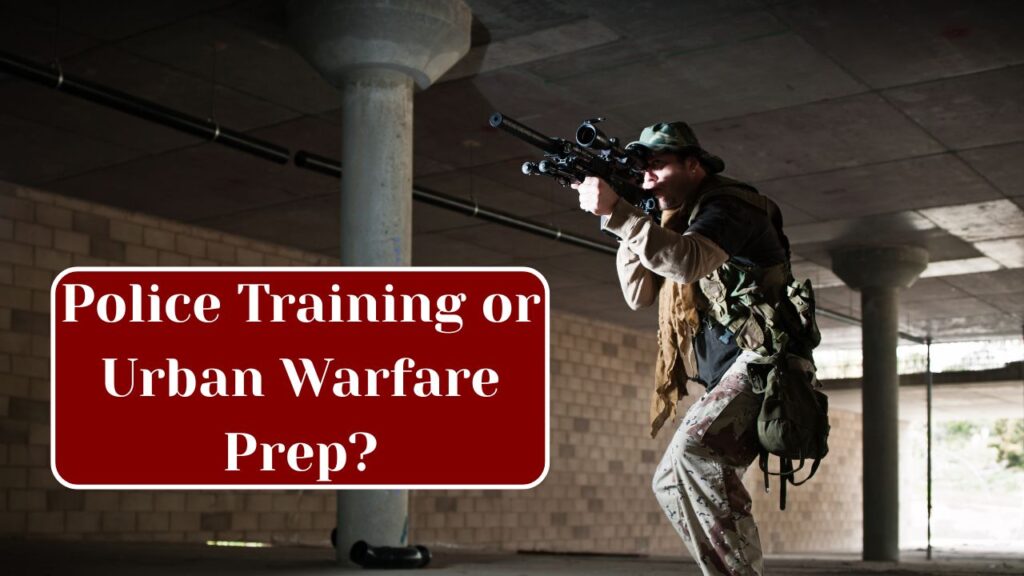
Police Training or Urban Warfare Prep?
Mock police training facilities are often referred to as either urban training villages, tactical training centres or scenario-based training grounds. The mock police training facility has been specifically constructed to provide a similar environment to that of an actual city or neighbourhood. Types of mock police training environments can include Residential neighbourhoods with homes and/or apartments, Businesses with storefronts, etc.
Some are simple, while others are incredibly complex, containing pyrotechnics, stereo sound systems, motion sensors, video cameras, and modular walls that can be rearranged to change layouts. The ultimate intention of a mock police training facility is to expose officers to an environment similar to what they will encounter in real life to practise responding to violent crimes, high-risk arrests, or any other situation requiring an emergency response.
Why Does Law Enforcement use Mock-City Training Facilities?
According to police officials, mock cities provide critical training resources for police officers facing higher levels of unpredictability and risk than ever before. As mass shootings, terrorism and complex civil disorders continue to rise, law enforcement agencies have been empowered to provide a training environment that is equivalent to today’s ever-changing risk factors.
Through using mock cities, law enforcement agencies’ state officers become increasingly equipped to enhance their ability to make quick, intelligent decisions while under extreme stress and anxiety, cooperate with other members of their agency or partner agencies, and produce better tactics when responding to crime.
In addition, mock cities provide law enforcement agencies the ability to combine resources from several different departments (local police, SWAT teams, federal agencies, fire departments and EMS) to create large-scale training opportunities not available in the real-world neighbourhood environment.
The Architecture of Modern Mock Cities
Modern recreations replicate reality; however, they have become organised systems to model disorder, danger, and conflict. They feel more like a film studio than a training room. Some mock cities have so many components that journalists visiting them call them “dystopian amusement parks.’
Training City Common Components: Streets, Apartments, Stores and Mass Transit:
There are many examples of what could be in a modern training city:
- Multiple rows of realistic homes;
- High-rise apartment buildings;
- The front of banks or banks with their retail fronts;
- Gas Stations;
- Clubs/Bars;
- Food Service/ Restaurants;
- Mock Train Subways or Buses.
“Kill Houses,” Breach sites and Tactical Rooms:
The most contentious aspects of these facilities are “Kill Houses,” which are designed to simulate close-quarter combat. Officers enter through doors or windows and neutralise threats, and continue on to the next structure. Some say that these exercises improve coordination within the group; others argue that they teach an officer to “shoot first” when confronted with a high-stress environment.
High Tech Surveillance Integration:
Many modern mock cities are designed to incorporate modern police surveillance, similar to how they would operate in the real world. These systems may include, but aren’t limited to:
- Live Video of Public Places (CCTV),
- Facial Recognition Nodes,
- Behaviour Analysis Software.
What Mock-City Facilities Mean for Civil Rights
Why are these mock cities growing rapidly? Many current policing trends are contributing to the continued rapid growth of mock city facilities being developed across the country.
Normalisation of SWAT
Previously, SWAT teams were primarily utilised for hostage situations or situations that posed a danger to the public. Today, SWAT teams respond to thousands of routine calls for service every year. These include conducting high-risk search warrants, executing drug raids, and responding to “wellness checks” that go wrong.
Counterterrorism Training as an Explanation for the Use of Mock Cities.
Mock cities are being developed with funding from counterterrorism budgets, even in cities that have little to no threat of terrorism. This creates a disparity between the actual risks posed by terrorism in a community and the priorities for training, as determined by the availability of counterterrorism funding.
Frequently Asked Questions On Police Training or Urban Warfare Prep?
- Are the mock city training facilities new or old?
- Mock city police training facilities have existed for years. After 9/11, their use and militaristic design have expanded considerably.
- Do mock city police training facilities increase the safety of police officers?
- Yes, for tactical situations; however, research has been conflicting regarding their role in decreasing violence by police officers.
- For what reasons do many civil rights organisations oppose mock city police training facilities?
- The tactics used in mock city police training facilities tend to promote a militarisation of law enforcement, which disproportionately harms marginalised communities.
- Are there alternative ways to train law enforcement officers?
- Yes, alternatives include community policing approaches, de-escalation training, and mental health response systems.