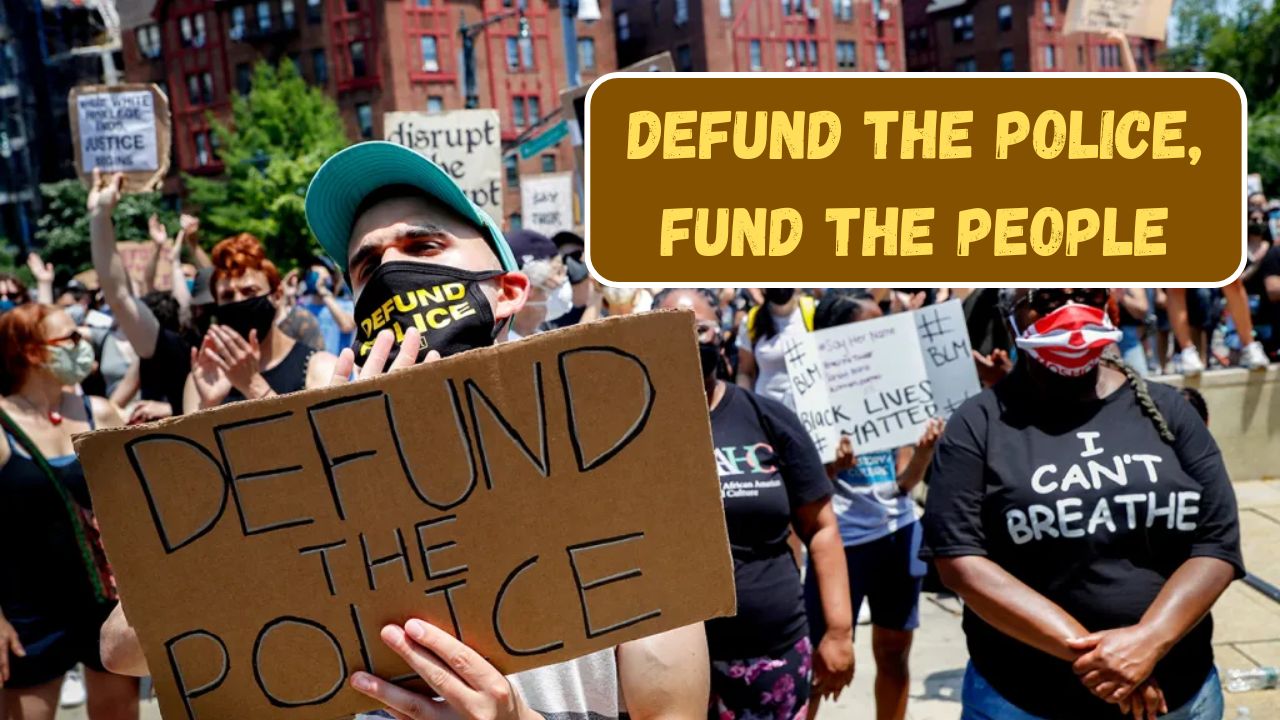
The ‘Defund The Police’ has been at the centre of an extremely heated public debate recently. The phrase appeared on protest signs, during public comments at city councils, on social media and finally on the national political stages. For proponents of the slogan, it represents a bold demand for systematic changes; a call to redirect public funds away from punitive institutions and into meeting community needs that actually lessen harm.
For opponents of the phrase, it incited confusion, fear and misinterpretation. But through all the debate, the one true thing about the movement is that it did not develop out of nowhere. It developed out of the frustration, inequity and lived experience of the communities most impacted by being overly-policed, under-served and unheard for decades.
What Does “Defund The Police” Mean?
Many people mistakenly hear “Defund The Police” and think it means “get rid of” the police altogether. But for most supporters of the movement, that’s definitely not what they mean. The movement’s premise is that the police have become the default answer for issues well beyond (and outside) their intended scope of enforcement, including mental health issues, drug addiction, homelessness and poverty.
Supporters argue that cities can reallocate some part of their budgets for policing to find other (more appropriate) ways to help with these types of issues; thereby decreasing unnecessary confrontations and creating effective prevention methods, while better serving those who need help and care rather than criminalising them and sending them to jail.
The Difference Between Defunding and Abolishing
The main difference between “defund” (to restructure budgets) and “abolish” (the long-term goal to create community safety networks in place of punishment systems) is the way that these two concepts were made to seem analogous by many people when discussing police reform.
While there are many police reform activists who support both of these efforts, much of today’s debate about police reform is focused on the reallocation of funding, rather than eliminating funding.
The History of Defund The Police, Fund The People Movement
The Influence of Civil Rights and Anti-Racism Organisations
The history of calling for a decrease in funding for police has existed for decades. Civil Rights Activists have traditionally called out the excessive use of police in the lives of Black people and advocated for investing in jobs, housing, and health care for all people.
The current phrase “Invest in People, Not Punish” has been around for years as a way for activists to use modern-day language to carry on the wish for investment in people rather than punishment.
The Development of Private Prisons
By the late twentieth century, mass confinement increased, as private prisons began opening. With the increase in private prisons, the budgets allocated to local law enforcement continued to rise. Also, legislators began to create a large number of new laws that promoted harsh penalties for offences.
The result of this entire system was that Black, Brown, disabled, and poor people are disproportionately impacted and harmed by this system. The call for Defunding the Police is an attempt to reverse the harm caused by these generations of oppression.
The War on Drugs and Its Consequences
The War on Drugs diverted billions of dollars into local law enforcement agencies while significantly decreasing funding for social programs. Despite this extensive investment of taxpayer money in law enforcement, drug abuse is still prevalent. The argument made at this time is that society is attempting to police its way out of drug abuse and all of the social issues that cause drug abuse.
Why Are Communities Calling for Change?
Over-Policing and Under-Investing
Neighbourhoods with high levels of police presence and surveillance, as well as a lack of investment into schools, healthcare, and employment, create a cycle of instability that policing will never resolve.
The Cost of Police Militarisation
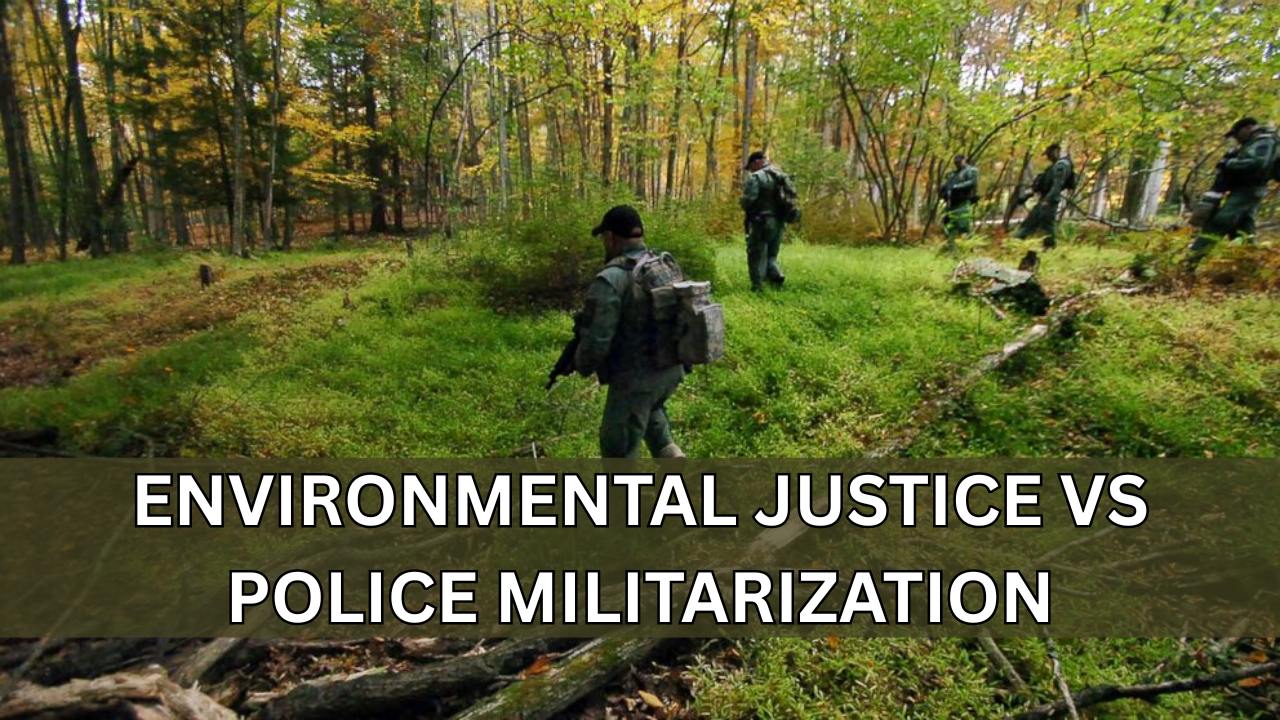
The expansion of SWAT teams, military-grade equipment, and tear gas are all examples of how police militarisation has been incentivised in cities throughout the country (and continues to grow). Many argue that this method of police militarisation creates a shift in police culture away from “protect and serve” toward “control and dominate.”
Communities Most Impacted by Current Systems
There are constant studies that show that many marginalised communities face greater levels of aggressiveness in their policing than do more affluent communities, with much fewer social resources being provided to support the community. Therefore, for many residents, the call to defund police is not a theoretical argument, but rather, it is based on their lived experience.
Frequently Asked Questions
Will the police be abolished with a “defund the police” campaign, or does that mean something different?
No, “defund the police” is not the same as abolishing them. It’s reallocating funds from law enforcement to community programs that help to stop instances of victimisation before they happen.
If cities reduce funding for police, will crime increase?
According to many studies, investing in community-building resources is far more effective than police enforcement in preventing crime.
What type of programs do supporters want to fund in place of the police?
Some examples are housing, healthcare, education, mental healthcare for young people, and teams that respond to crisis situations.
Are there examples of cities that successfully tried a “defund the police” campaign?
Examples of those cities would be Denver, Colorado; Oregon; Camden, New Jersey; and many international cities.