For a generation of veterans who breathed burn pit smoke in Iraq and Afghanistan, it took nearly two decades and a national campaign to get the Department of Veterans Affairs to presume their illnesses were connected to their service. Sen. Tammy Duckworth wants the troops of the Iran war to wait months, not years.
The Illinois Democrat, an Iraq War veteran who lost both legs when her helicopter was shot down in 2004, was set to introduce a bill this week requiring the VA to assess toxic hazards in any new combat zone within 180 days, ABC News reported. It would add Iran to the list of places where service members are presumed to have been exposed.
Here is where things stand for anyone who has served in the war, and what they can do now.
Is Iran covered by the PACT Act?
No, not as a presumptive location. The Sergeant First Class Heath Robinson Honoring our Promise to Address Comprehensive Toxics Act, signed in 2022 and known as the PACT Act, lists specific countries and time periods. Service there lets veterans skip the hardest part of a claim: proving that a particular exposure caused a particular illness.
There is currently no clear mechanism for adding new combat zones to that list of more than a dozen countries and territories, ABC News reported. That gap is what Duckworth’s bill targets.
What the Duckworth bill would do
- 180-day reviews. The VA would have to assess hazards in any new combat zone within 180 days and recommend whether people who served there should be presumed exposed.
- Five-year look-backs. The department would revisit overseas assignments at least every five years to catch hazards that were missed.
- Iran added now. Iran would be listed as a covered combat zone as a precaution. According to ABC News, no specific toxic threat has been identified yet, but the provision anticipates exposure from damaged oil facilities, chemical spills or chemical weapons use.
Duckworth told ABC News the country must learn the lessons of previous conflicts and protect a new generation sent into another Middle East war from repeating the old mistakes.
The bill faces a short calendar. The current Congress ends in January, and anything not passed in the lame-duck session would need to be reintroduced in the new, Democratic-controlled Congress.
Why the burn pit history matters
The PACT Act was the product of years of advocacy by veterans groups and supporters including the comedian Jon Stewart. It eased the burden of proof for cancers and respiratory illnesses linked to burn pit smoke, expanded Agent Orange presumptions to veterans who served in Laos, Cambodia and other Southeast Asian countries, and covered troops who responded to the 1968 crash of a nuclear-armed B-52 near Thule Air Base in Greenland, ABC News noted.
It was also expensive. The Congressional Budget Office projected nearly $280 billion in new spending over a decade, and by May 2024 the VA had approved 1 million PACT Act claims for care and compensation, according to the agency’s data cited by ABC.
For many Iraq and Afghanistan veterans, those protections came too late. Some died waiting for a law that would have recognized their cancers. The law itself is named for Sgt. 1st Class Heath Robinson, an Ohio National Guard medic who died of lung cancer in 2020 after serving near burn pits in Iraq. Advocates say the point of acting early on Iran is to avoid that kind of gap.
What Iran war veterans can do now
Even without a presumption, veterans of the Iran war have options today.
Enroll in VA health care
Veterans who served in a theater of combat operations after Nov. 11, 1998, are generally eligible for enhanced VA health care for five years after discharge, according to the VA’s combat veteran eligibility page. That window applies whether or not a veteran has a service-connected condition. More than 100,000 veterans enrolled in VA health care in 2026, Military.com reported.
Get a toxic exposure screening
The VA offers toxic exposure screenings to enrolled veterans. They take a few minutes and create a record of potential exposures that can matter years later if a veteran gets sick.
Document everything
Without a presumption, a veteran filing a claim must show a link between service and an illness. Keep deployment orders, dates and locations, and notes on specific events, such as working near damaged fuel sites, fires or strikes. Buddy statements from people who served alongside you can also help.
File a claim if you have symptoms
Veterans with a health problem they believe is tied to service can still file a disability claim through the VA’s online claims process. Accredited veterans service organizations help at no cost.
Who served in the war
The United States has deployed tens of thousands of sailors, airmen, soldiers and Marines to the region since strikes began on Feb. 28. Ships enforcing the naval blockade, aircrews flying over Iran, air defense crews at Gulf bases and troops hit by Iranian missiles and drones could all fall under any future presumption. The Pentagon’s casualty system lists 23 U.S. service members who have died since the war began.
Veterans or family members who are struggling can reach the Veterans Crisis Line at any time by dialing 988 and pressing 1, or by texting 838255.
What to watch
- Whether the bill attracts Republican cosponsors in the lame-duck session.
- Whether the VA itself begins a hazard assessment for the Iran theater.
- How the new Democratic majorities on the veterans committees prioritize it in January.
Official links and further reading
- VA: The PACT Act and your VA benefits
- VA: Health care for combat veterans
- VA: Eligibility for VA health care
- VA: Apply for health care (Form 10-10EZ)
- VA: How to file a disability claim
- Congress.gov: Honoring our PACT Act of 2022 (H.R. 3967)
- Veterans Crisis Line
- ABC News: Sen. Duckworth wants VA to identify toxic threats before veterans get sick
- Military.com: 100,000 veterans have enrolled in VA health care in 2026
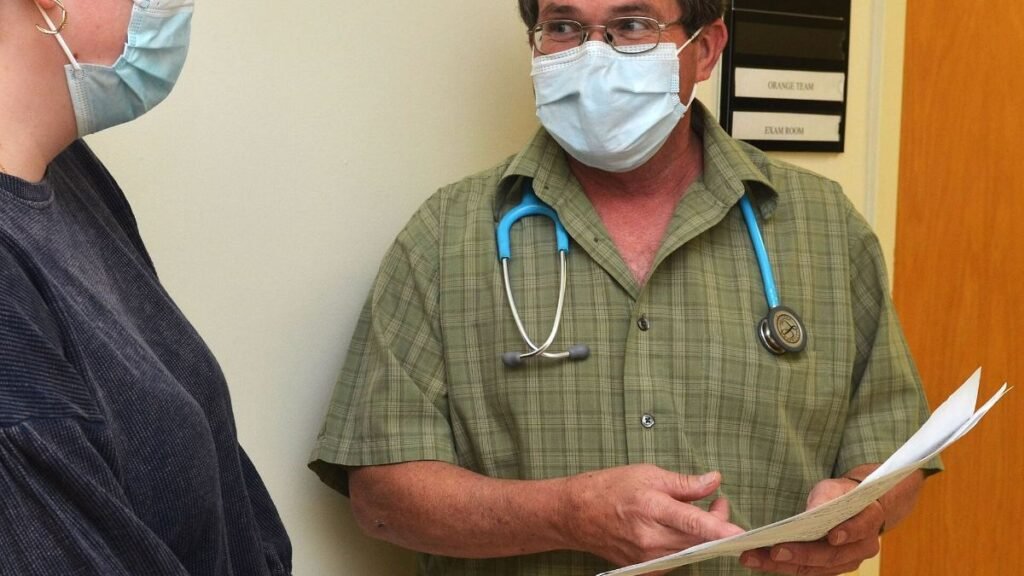
Photo: Veterans Health Administration (public domain), file photo.