Ukraine’s military says Russian forces lost 49,040 troops killed or wounded in October, the highest monthly figure Kyiv has reported since the full-scale invasion began in 2022.
The General Staff’s count, current as of Oct. 28, beats September’s previous record of 46,230 and comes close to the goal President Volodymyr Zelenskyy set in January: at least 50,000 Russian casualties a month by the end of 2026. Zelenskyy has described that number as the point where Russian losses outrun the reinforcements Moscow can send, Al Jazeera reported.
Neither side’s casualty figures can be independently verified. Ukraine’s military says it has video of each strike it counts.
Drones do most of the killing
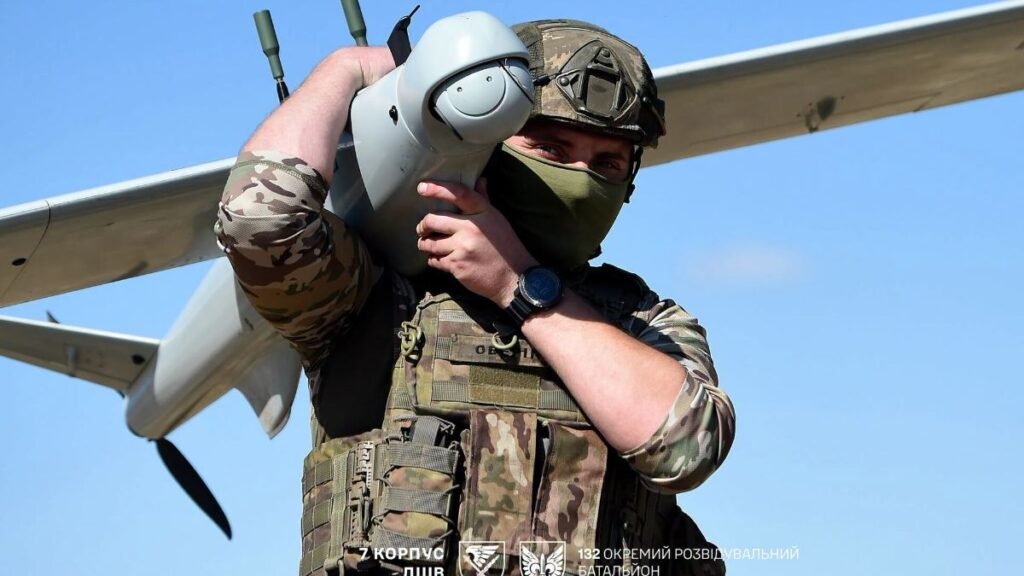
Kyiv attributes most of those casualties to aerial drones, and it wants many more of them. Defense Minister Yevhenii Khmara asked European allies this week to fund a doubling of drone production next year to about 16 million units, including joint production in partner countries. Zelenskyy has said output could triple with enough money.
The thinking in Kyiv has shifted toward volume over sophistication. As Defense Ministry adviser Serhiy Beskrestnov put it: “Mass production and simplicity will overcome technology.”
Allies added money on Oct. 28. The Netherlands pledged 500 million euros in immediate military aid and 1.2 billion euros in further financing, and Britain raised its commitments by 10 billion pounds over three years, 3 billion pounds of it for weapons.
Starlink, Starshield and a sovereign backup
Ukraine’s drone war took a hit this month when Starlink service problems limited how fast its drones could fly while connected. On Oct. 14, Kyiv said it was losing control of drones above roughly 150 kph, which made it hard to chase Russia’s jet-powered attack drones that fly at more than 500 kph.
Service returned to normal on Oct. 24, Ukraine’s Defense Ministry said. The Institute for the Study of War estimated the roughly 10-day outage cut Ukraine’s overall interception rate from 77% to 74%. We reported earlier on who ordered the limits on Starshield for Ukraine.
Kyiv is now planning around the problem. On Oct. 22, Ukraine and Finland announced they would jointly build an independent military satellite system, with ICEYE and Nokia as partners and first launches planned for 2028.
The air defense numbers have since improved. Ukrainian Air Force data show at least 75% of Russia’s jet-powered drones were shot down in the week ending Oct. 29, well above a three-month average of about 60%.
Russia keeps hitting cities
Russian attacks have not let up. Overnight into Oct. 30, Russia launched ballistic missiles, four guided aerial missiles and 113 Shahed-type drones, 83 of them jet-powered, according to Ukraine’s Air Force as reported by The Kyiv Independent. Air defenses brought down three missiles and 96 drones, Ukrinform reported.
A day earlier, a drone struck a train platform in the central city of Dnipro, killing at least 14 people. On Oct. 27, Russian ballistic missiles hit a university campus in central Kyiv.
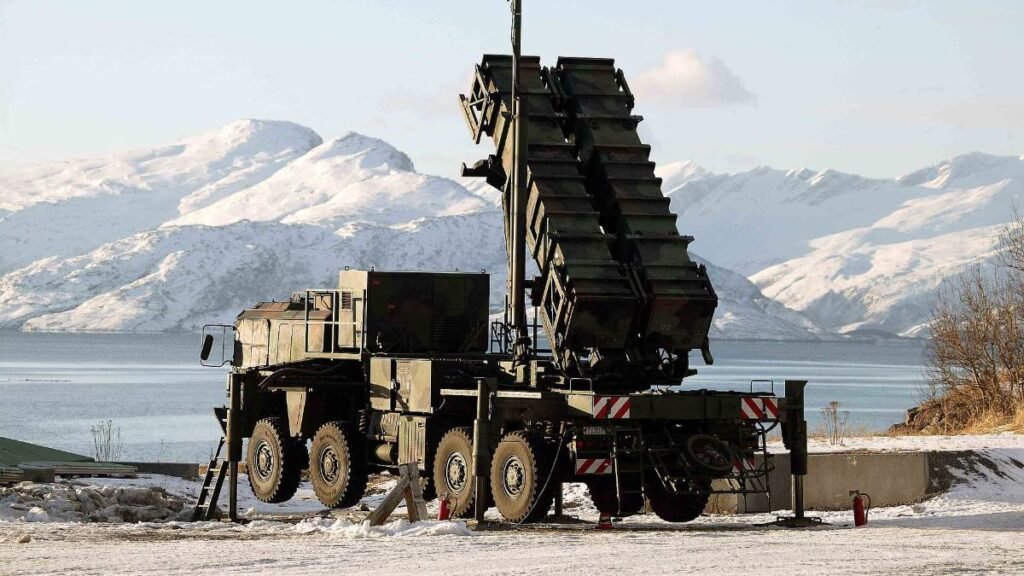
Zelenskyy has blamed part of the damage on slow deliveries of interceptors for Patriot and NASAMS air defense systems, which he said were helping Russia’s campaign against civilians. Khmara asked European allies to hand over 10% of their current interceptor stocks as an advance on future orders.
Ukraine’s strikes inside Russia
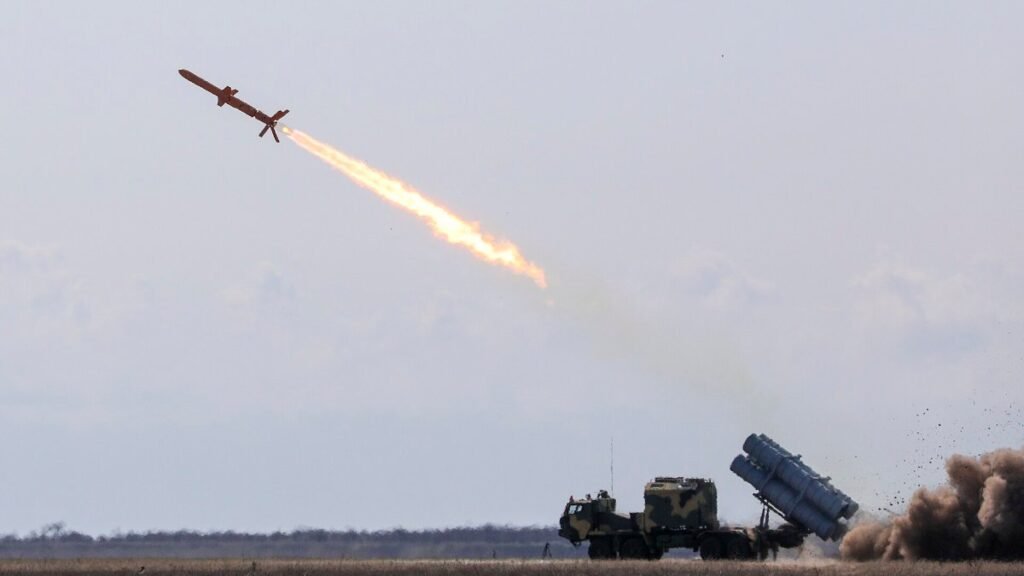
Kyiv has kept up its own long-range campaign. On Oct. 23, Ukrainian missiles destroyed the main microchip production building of Proton-Electrotex in Orel, which makes missile components, according to Al Jazeera’s account of Ukrainian claims. During the same week, Ukraine said it damaged five chemical plants that produce solid rocket propellant, along with the Voronezh Aircraft Company and the titanium producer VSMPO-AVISMA.
Moscow itself has come under heavier fire. Russia said more than 600 drones were launched toward the capital overnight into Oct. 29, Al Jazeera reported. Russian officials responded that the war must continue, The Kyiv Independent reported.
Drones struck the Novokuybyshevsk oil refinery in Russia’s Samara region overnight into Oct. 30, Ukrinform reported. Refinery strikes are at the center of a fight with Washington over the Trump administration’s Russian diesel deal, which Kyiv says puts pressure on it to stop.
Small gains on the ground
Ukraine has also reported rare advances. Its Khartiia Corps, now part of the National Guard, said it cleared Russian troops from a disused gas pipeline they had used to move forces toward the front-line city of Kupiansk. The unit said the operation, called Veles, moved about 15 kilometers underground and killed or wounded 100 Russian soldiers and captured 30.
In the south, Ukrainian forces were reported to have retaken three villages, Peredubova, Komar and Fedorivka, on the border of the Donetsk and Zaporizhzhia regions.
Talks without much hope
The United States still plans to bring Ukrainian and Russian technical teams together on Nov. 10. Zelenskyy has backed a ceasefire covering energy infrastructure and grain exports.
Moscow has lowered expectations. On Oct. 22, Vladimir Putin called Ukraine the territory of historical Russia and rejected an energy ceasefire. His foreign policy adviser, Yuri Ushakov, said the talks would not settle much.
A local truce is holding in one place. In Oleshky, on the Russian-held side of the Dnipro River, a humanitarian ceasefire has allowed aid convoys in and evacuation buses to be readied, with Ukraine’s human rights commissioner reporting no violations over 75 hours.
Frequently asked questions
How many Russian casualties did Ukraine report in October 2026?
Ukraine’s General Staff reported 49,040 Russian troops killed or wounded in October, as of Oct. 28. That is the highest monthly figure Kyiv has reported, above September’s 46,230. The numbers cannot be independently verified.
When are the next Russia-Ukraine talks?
The United States plans to bring Ukrainian and Russian technical teams together on Nov. 10. Russian officials have said they do not expect the talks to settle much.
Sources
- Al Jazeera: Ukraine invests in firepower as it inflicts a new Russian casualty record
- Al Jazeera: Russia says more than 600 drones launched towards Moscow overnight
- The Kyiv Independent: Ukraine war latest, Oct. 30
- Ukrinform: War updates, Oct. 30
Photo: Command of the Airborne Assault Forces of Ukraine/Wikimedia Commons (CC BY 4.0).