Benjamin Netanyahu’s Likud is once again the largest party in Israel’s parliament, but the prime minister did not win a majority in the Oct. 27 election. With all votes counted, his right-wing and religious bloc has 53 of the Knesset’s 120 seats, eight short of the 61 needed to govern, according to final figures from Israel’s Central Elections Committee reported by The Times of Israel. The same parties held 68 seats in the outgoing Knesset.
His rivals are short too. The opposition bloc led by former military chief Gadi Eisenkot won 48 seats. It can only reach a majority with help from Arab-majority parties, which won a record 19 seats between them, and most opposition leaders have said they will not govern with them.
That leaves Israel facing weeks of coalition talks and a real chance of another election, at a time when Washington is weighing new strikes on Iran.
What we know
The committee published final results early Friday, Oct. 30, after counting the double-envelope ballots cast by soldiers, hospital patients and others away from their home polling stations. Turnout was 77.9%, the highest in decades, with 5,716,665 votes cast.
| Bloc | Party | Seats |
|---|---|---|
| Netanyahu bloc (53) | Likud | 27 |
| United Torah Judaism | 7 | |
| Shas | 6 | |
| Otzma Yehudit | 7 | |
| Religious Zionist Party | 6 | |
| Opposition bloc (48) | Yashar (Gadi Eisenkot) | 21 |
| B’Yachad (Naftali Bennett) | 12 | |
| Democrats (Yair Golan) | 8 | |
| Yisrael Beytenu (Avigdor Liberman) | 7 | |
| Arab-majority parties (19) | Joint List | 11 |
| Ra’am | 8 |
Three lists fell below the 3.25% threshold needed to enter the Knesset: Yoaz Hendel’s Reservists-Economic party with 2.63%, Ofer Winter’s People of Israel with 1.7% and the Charedi Public with 0.2%. The first two would have been natural partners for Netanyahu.
So who won?
Both sides have claimed it. Eisenkot declared victory for the opposition on election night when exit polls showed it ahead. Netanyahu gave his own victory speech later that night, after the count began to show his bloc leading.
Netanyahu has framed the result around Jewish voters, telling supporters his bloc holds “a clear, decisive majority among the Zionist public,” NPR reported. The opposition parties together, including the two Arab-led lists, won more votes overall than his bloc.
Yair Golan, who leads the Democrats, counted it the other way, adding the Arab parties to the opposition total. “Netanyahu lost. I know how to count to 120,” he wrote on social media, according to The Jerusalem Post.
Likud has since accused the Arab parties of stealing the election through fraud, bribery and intimidation. The Central Elections Committee’s acting director called the reports entirely unfounded, and police said there was no basis for Likud’s claims, The Times of Israel reported. The Shin Bet security service is running what it called a limited probe into suspected foreign interference, which the committee said will not affect the results.
The paths to a government
No combination is easy. These are the options Israeli politicians and analysts are discussing:
A Netanyahu government. He would need eight more seats. Every major opposition leader has ruled out joining a coalition led by him, and Eisenkot has refused to serve under him even in a rotation deal.
An opposition coalition with Arab parties. The numbers work, but every opposition leader except Golan has drawn a red line against Arab parties in government, citing the Oct. 7, 2023, Hamas attacks. Golan is the exception and has called for exactly this.
A minority government. The opposition could take office without 61 seats if the Arab parties agreed to back it from outside the coalition in a confidence vote. Joint List chairman Yousef Jabareen said his party is ready to help remove Netanyahu. Liberman rejected that idea before the vote.
Another election. If no one can form a government, Israel would go back to the polls. President Isaac Herzog said Wednesday that the country must do everything possible to avoid that.
The certified results go to President Isaac Herzog on Wednesday, Nov. 4. Under Israeli law, he must then consult every Knesset faction before choosing who gets the first chance to form a government. The new Knesset is set to be sworn in on Nov. 10, and coalition talks could run for more than two months.
Why Washington is watching
Israel’s next government will inherit a war. Israel and the United States launched joint strikes on Iran on Feb. 28, and U.S. officials have now told several Middle East countries to prepare for possible renewed strikes after the U.S. midterm elections on Nov. 3, two diplomats told The Associated Press.
Markets reacted to the deadlock right away. The Israeli shekel weakened and stocks and bonds fell as results showed no clear winner, Reuters reported, according to CNN.
What we don’t know yet
- Whether the opposition settles on Eisenkot as its candidate for prime minister. He has said the leader of the largest opposition party should get the role, but the bloc has not announced a deal.
- Whom Herzog will task first after he receives the results on Nov. 4.
- Whether any opposition party softens its position on the Arab parties.
Frequently asked questions
Did Netanyahu win the 2026 Israeli election?
Not outright. His Likud party is the largest in the Knesset, and his bloc won 53 seats, eight short of the 61 needed to govern. The opposition parties plus the Arab-majority parties add up to about 67 seats.
How many seats are needed to form a government in Israel?
A coalition needs 61 of the Knesset’s 120 seats. A minority government can also take office if it wins a confidence vote, with some parties staying outside the coalition but not voting against it.
Who is Gadi Eisenkot?
Eisenkot is a former Israeli military chief of staff who leads the Yashar party, the largest party in the opposition bloc with 21 seats. He has ruled out serving under Netanyahu.
When will the final results be known?
Israel’s Central Elections Committee published final results on Oct. 30. The certified results go to President Isaac Herzog on Nov. 4, and the new Knesset is sworn in on Nov. 10.
Sources
- The Times of Israel: With all votes counted, Netanyahu’s bloc has 53 seats, Eisenkot’s 48, Arab parties 19
- The Times of Israel: Election panel director rejects claims of widespread voter fraud
- The Jerusalem Post: Netanyahu bloc holds lead, but coalition math remains elusive
- Haaretz: Israel Election 2026 live results
- NPR: Partial results from Israel’s contentious election show no clear winner
- CNN: Israel election results live
- The Associated Press: US warns allies to prepare for possible Iran strikes after elections
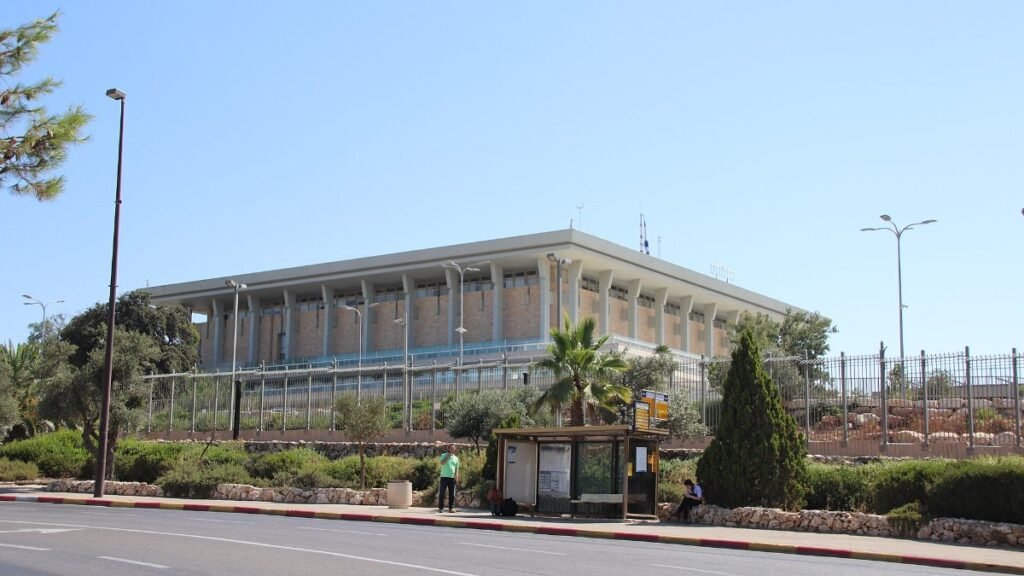
Photo: Gary Todd/Wikimedia Commons (CC0).