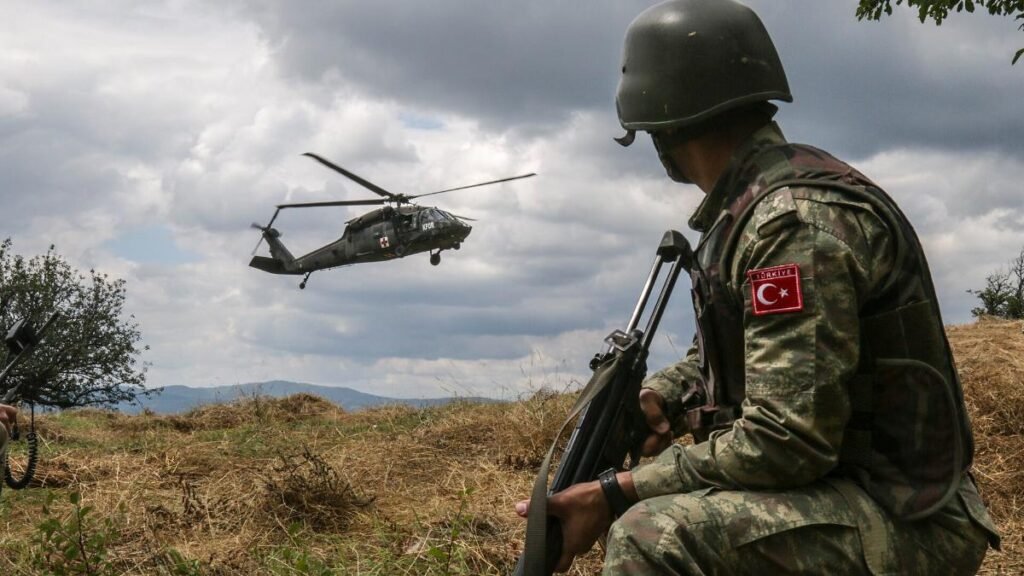
Turkey plans to ask its parliament for permission to send military personnel to Saudi Arabia under the three-nation defense pact it signed with Riyadh and Islamabad in August, a lawmaker from President Recep Tayyip Erdogan’s ruling AK Party told Reuters on Wednesday. The kingdom has spent October absorbing Houthi missile fire on its airports.
That same day in Doha, defense officials from Turkey, Qatar, Indonesia and Pakistan signed a separate memorandum on joint arms production, training and research. The two moves came a day after Washington’s ambassador to Ankara told a Gulf audience that the old oil-for-security arrangement with the United States is changing.
What Turkey is asking parliament for
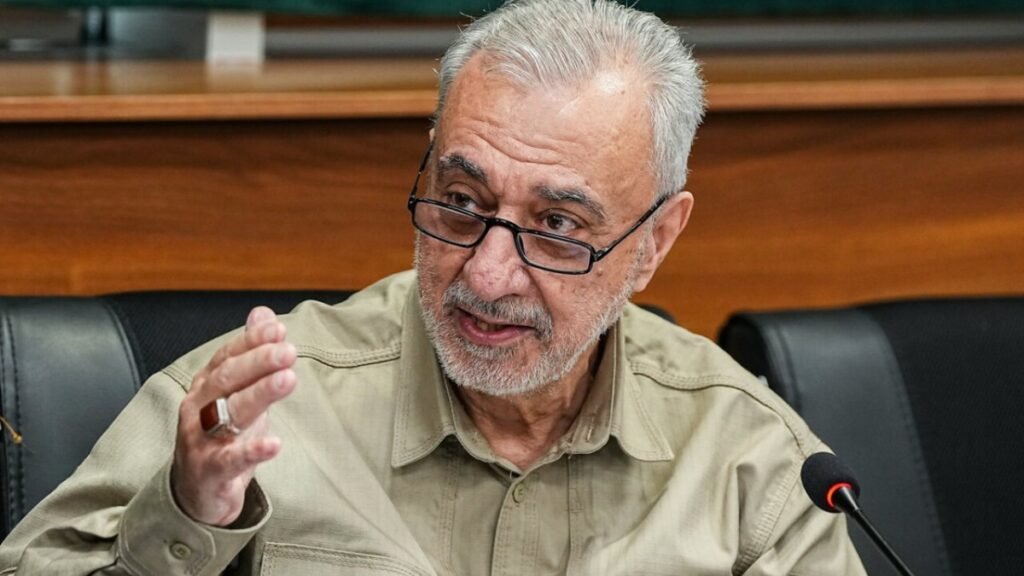
The Turkish government sent the Mecca agreement to parliament for ratification on Tuesday, Oct. 20, according to Reuters. The AK Party lawmaker, who spoke on condition of anonymity, said a separate mandate authorizing deployments to Saudi Arabia would follow once lawmakers approve the ratification bill.
Turkey’s constitution requires parliamentary approval to send armed forces abroad, and Ankara has used the same mechanism before. In 2017, the Grand National Assembly approved a troop deployment to Qatar as Saudi Arabia and its neighbors moved to isolate Doha.
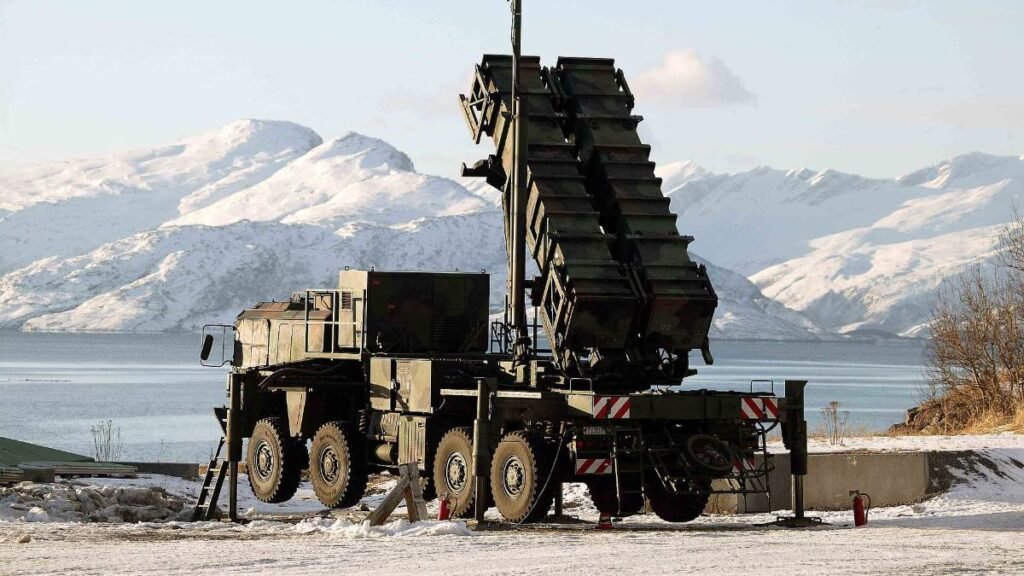
This time the mission would be narrow, at least at first. The lawmaker said Turkish personnel would not take part in offensive operations. The first deployments would be technical staff and specialists supporting air defense, electronic warfare and other defensive needs. Two officials had earlier told Reuters that Turkey would contribute only equipment, intelligence sharing and weapons systems.
Turkey has also condemned the Houthi attacks and agreed to join a Saudi-led coalition to protect shipping in the Red Sea, the Jerusalem Post reported, citing Reuters. Turkey fields NATO’s second-largest army.
Why air defense comes first
The focus on air defense and electronic warfare follows the threat. The Houthis have been firing ballistic missiles at Saudi airports, and they have warned airlines that any aircraft in Saudi airspace, other than over Mecca and Medina, is a target, Al Jazeera reported. The group says the strikes are retaliation for Saudi raids on the airports in Sanaa and Hodeidah.
What the Mecca Pact commits members to
Erdogan, Saudi Crown Prince Mohammed bin Salman and Pakistani Prime Minister Shehbaz Sharif signed the agreement in Mecca on Aug. 7, after nearly a year of negotiations, Al Jazeera reported. A joint statement published by the Saudi Press Agency and Pakistan’s foreign ministry calls it the Mecca Joint Defence Agreement.
Its central clause reads like NATO’s Article 5. The three leaders’ joint statement said “any armed attack against any one of the three States shall be regarded as an attack against them all,” Breaking Defense reported. The statement said the pact “is intended to strengthen collective deterrence against any act of aggression” and calls for expanding defense cooperation across the board. A Turkish official told The Associated Press it does not replace existing bilateral agreements. Saudi Arabia and Pakistan had already signed their own defense accord in September 2025.
Saudi officials have tried to keep expectations in check. Rayed Krimly, the Saudi deputy minister for public diplomacy, said the pact does not reflect “any intention to build a military axis or a sectarian/religious bloc,” Al Jazeera reported. A Turkish official told Reuters the agreement is defensive, is not aimed at any particular country and is open to other states in the region. Pakistani officials have also said more countries could join.
How the pact was activated
The fighting in Yemen flared again after the U.S.-Israeli war on Iran. On Oct. 5, Turkey, Pakistan and Saudi Arabia agreed to activate “deterrence measures” under the pact and to deploy forces to the kingdom quickly, Al Jazeera reported. Days earlier, Pakistani Foreign Ministry spokesman Sajjad Haider Khan said Islamabad has a “substantial number of forces as well as resources” in Riyadh, there to defend Saudi territory rather than attack the Houthis, Al Jazeera reported.
The worst attack came on Oct. 10. A missile struck King Khalid International Airport in Riyadh, and Saudi Arabia’s General Authority of Civil Aviation said it killed 12 people and wounded 309. Al Jazeera called it the deadliest attack on the kingdom in more than a decade. Earlier Houthi strikes on airports in Abha and Riyadh that week had already killed three people, including a Saudia pilot, according to the aviation authority. Secretary of State Marco Rubio confirmed an American was among the dead in Riyadh, and U.N. Secretary-General António Guterres demanded the attacks “cease immediately.”
Here is how the crisis has unfolded:
- Feb. 28: The U.S. and Israel attack Iran. Saudi Arabia is later hit repeatedly by Iran, the Houthis and armed groups in Iraq.
- Aug. 7: Saudi Arabia, Turkey and Pakistan sign the Mecca pact.
- Oct. 4: Saudi-backed Yemeni government forces launch an offensive against the Houthis.
- Oct. 5: The three pact members agree to activate deterrence measures and send forces to Saudi Arabia.
- Oct. 10: A Houthi missile strike on Riyadh’s King Khalid International Airport kills 12 and wounds 309, according to Saudi aviation authorities.
- Oct. 20: Turkey sends the Mecca agreement to parliament for ratification. In Doha, U.S. Ambassador Tom Barrack says the U.S. role in Gulf security is changing.
- Oct. 21: A ruling party lawmaker says a troop mandate will follow ratification. Turkey, Qatar, Indonesia and Pakistan sign the Badr memorandum in Doha.
The Badr pact in Doha
The Doha agreement is industrial, not a defense alliance. Turkey, Qatar, Indonesia and Pakistan signed a memorandum of understanding to work together on defense production, technical military training, and research and development, Breaking Defense reported, citing Turkey’s defense ministry and the state news agency Anadolu. It is named “Badr,” or full moon.
The ministers at the signing were Turkish Defense Minister Yasar Guler, Pakistani Defense Minister Khawaja Muhammad Asif, Qatar’s deputy prime minister and minister of state for defense affairs, Sheikh Saud bin Abdulrahman bin Hassan Al Thani, and Indonesian Deputy Defense Minister Yusuf Juhari, according to Pakistan’s state news agency. Haluk Gorgun, head of Turkey’s defense industry agency, also attended. Asif said the memorandum “reflects our shared commitment to contributing to regional peace and stability.”
According to Anadolu, the four countries want to build “solutions and industries compatible with the development of modern defense systems.” A Turkish statement said the deal would support security and stability. Breaking Defense noted that the document was light on specifics.
Anadolu described the four countries’ capabilities as complementary. Pakistan and Turkey belong to both the Badr and Mecca groups.
Why Gulf states are hedging on US guarantees
The doubts were growing before October. When the Mecca pact was signed, Al Jazeera wrote that months of strikes on Saudi territory since the Iran war began had raised doubts about how much the kingdom’s long-standing U.S. security umbrella could be relied on.
Tom Barrack, the U.S. ambassador to Turkey and special envoy for Syria, made the point in public on Oct. 20 at the Global Security Forum in Doha. He described the decades-old arrangement under which Gulf energy producers relied on U.S. protection as changing, not ending. Gulf governments were drawing their own conclusions, he said, in remarks reported by Al Jazeera:
“Everybody is saying: OK, I can’t rely on America to solve all my problems.”
He also said “the US no longer wants to own,” and added, “The bargain is not to control, but to not leave. We’re not leaving.” He said past U.S. efforts to change leaders or governments in the region seemed to have been “a mistake.”
Washington’s response to the Riyadh attack fit that message. President Donald Trump called the strike “not acceptable” and said the U.S. “may” join Saudi operations against the Houthis, but he had not announced a decision as of Oct. 11. U.S. media have reported that Washington is giving the Saudi-backed offensive intelligence, help identifying targets and planning support.
What it means for the US and NATO
Turkey, a NATO member, has now made a mutual-defense promise outside the alliance, to a Gulf monarchy and a nuclear-armed South Asian state. The Mecca pact does not override Turkey’s NATO obligations, and Ankara has said it does not replace existing agreements. Still, it means a NATO army could be pulled into the Saudi-Houthi war through a treaty Washington is not part of.
The limits Ankara has set so far, with no offensive role and a focus on air defense and electronic warfare, keep Turkish personnel on the defensive. A Houthi missile that hits a Turkish air-defense crew would test those limits quickly.
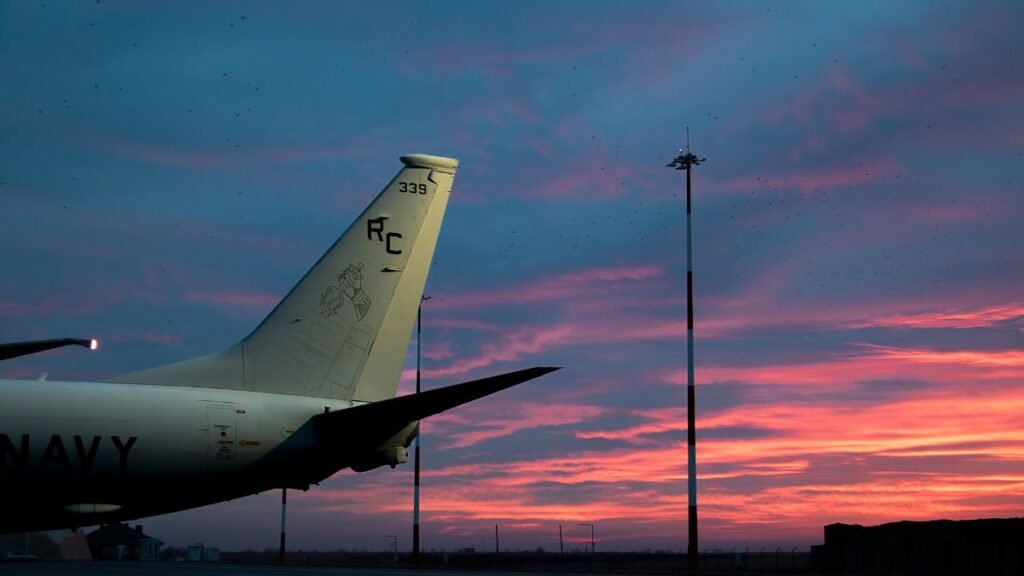
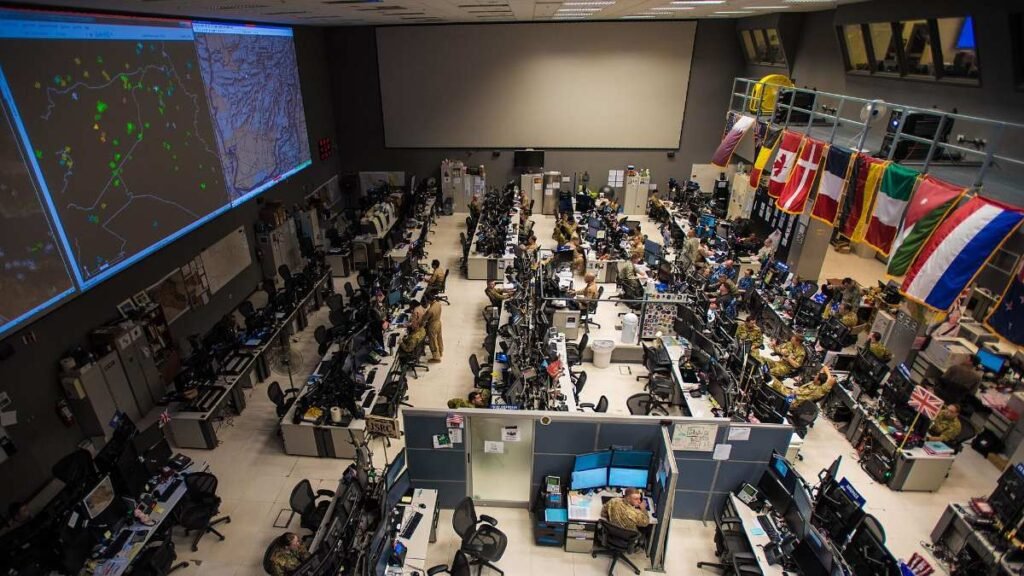
U.S. forces are based in two of the four Badr countries, which makes this more complicated. Qatar hosts Al Udeid Air Base, the largest U.S. military installation in the Middle East, and the U.S. Air Force’s 39th Air Base Wing operates at Incirlik Air Base in southern Turkey. Both host governments are now signing defense-industrial deals with Pakistan and Indonesia that do not include the U.S.
Turkey’s parliament votes on ratification next. The deployment mandate would follow, and its wording will show how far Ankara intends to go.
Official links
- Republic of Turkey Ministry of National Defense
- Grand National Assembly of Turkey
- Presidency of Defense Industries (SSB), Turkey
- Saudi Press Agency
- Ministry of Foreign Affairs of Pakistan
- NATO
- Incirlik Air Base (U.S. Air Force)
- UN News: Guterres condemns Houthi strike on Riyadh airport
Photo: Staff Sgt. Donna Davis/U.S. Army.