Nine months after the last round collapsed into silence, Russian and Ukrainian negotiators sit down again on Tuesday in Abu Dhabi, with American envoys in the middle and, for the first time, a European team waiting in the wings.
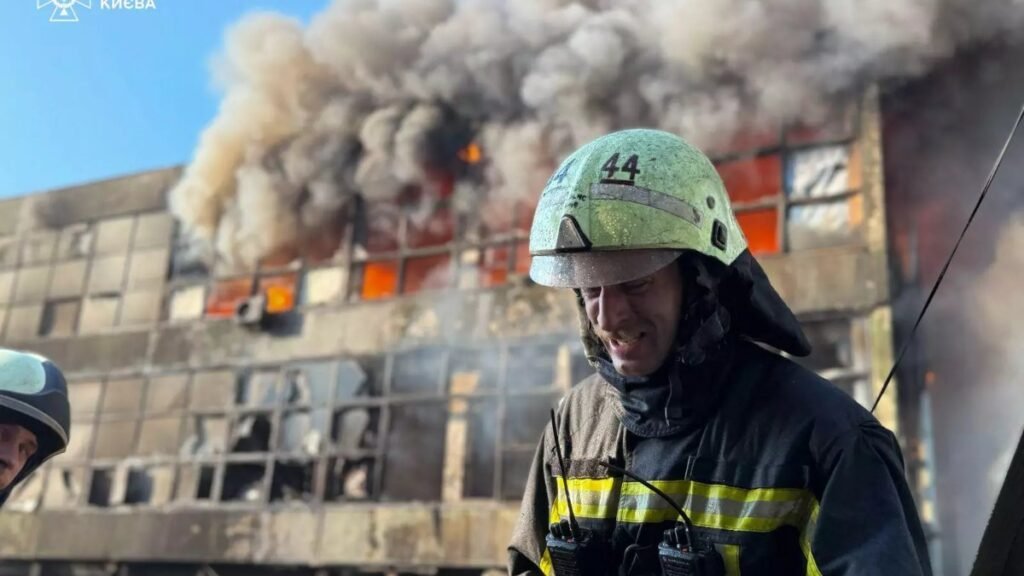
The two-day talks, set for Nov. 10 and 11, were announced by U.S. special envoy Steve Witkoff hours after a Russian bombing killed at least 31 people at an aid hub in southern Ukraine. Here is what to know before they start.
Who is in each delegation
| Side | Who leads | Others reported |
|---|---|---|
| United States | Special envoys Steve Witkoff and Jared Kushner | Mediating, not a party |
| Ukraine | Rustem Umerov, head of the Foreign Intelligence Service | Kyrylo Budanov and Sergiy Kyslytsya of the president’s office; David Arakhamia, leader of the ruling party in parliament |
| Russia | Vladimir Medinsky, aide to Vladimir Putin | Deputy Foreign Ministers Sergei Ryabkov and Mikhail Galuzin |
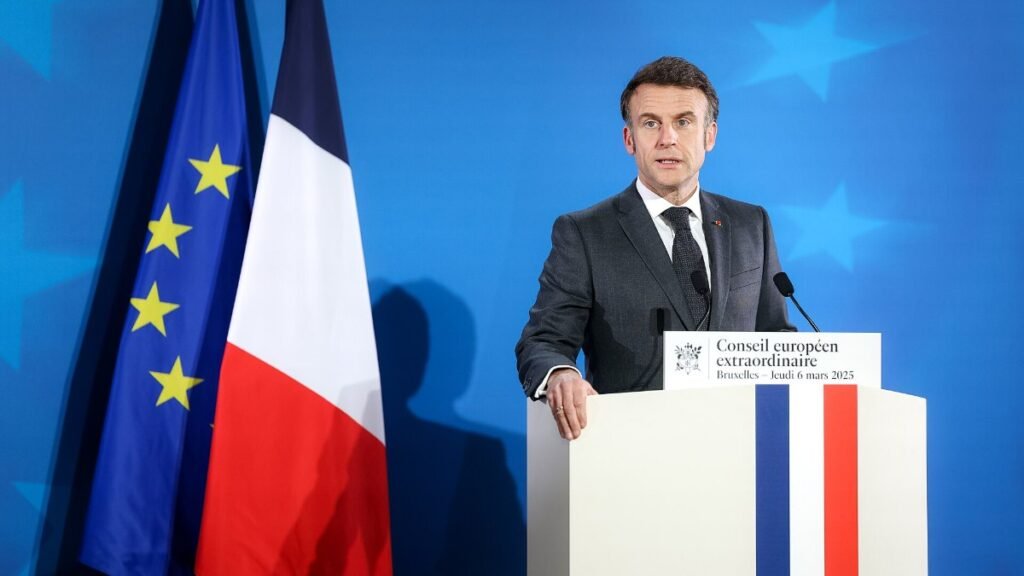
| Europe | Bjoern Seibert (European Commission) and Anna-Maria Boura (European Council) | National security advisers of France, Germany and the U.K. |
The lineup comes from Euronews. NATO will also send its chief of staff, Geoffrey Van Leeuwen, a NATO official said, according to Euronews via Yahoo.
Why Russia’s lineup matters
Moscow is sending a more senior team than in earlier rounds, which could signal readiness for more substantive talks, Bloomberg reported. Ryabkov is Russia’s top diplomat for relations with Washington and for arms control, while Medinsky has been part of Russia’s talks with Ukraine since the 2022 negotiations in Istanbul. Putin discussed preparations with his Security Council on Nov. 6, The Europe Today reported.
Ukraine’s choice is telling too. Umerov, a former defense minister who has led Kyiv’s team before, posted on Nov. 9 that the delegation was on its way and thanked the UAE, Witkoff and Kushner for preparing the meetings, UNN reported. He said Kyiv would coordinate with the Europeans.
Europe wants in. Moscow says no
The European presence is the new element. Officials from the Commission and the Council have said they are willing to engage directly with the Russian delegation, something that has never happened in this process, Euronews reported. Whether that will happen is unclear.
The Kremlin has insisted the talks remain strictly trilateral, between Moscow, Kyiv and Washington, according to Time News. Inside Europe, the push for a seat followed complaints about disarray. Italian Prime Minister Giorgia Meloni wrote to European Council President António Costa demanding a special European envoy, and Poland’s foreign minister, Radoslaw Sikorski, warned against Western Europe cutting deals with Russia over the heads of Eastern Europeans.
Meanwhile, G7 foreign ministers meeting in Paris were expected to press Secretary of State Marco Rubio to make sure any settlement is fair to Ukraine, The Times of Israel reported.
What is on the agenda
Witkoff has said the talks will cover post-war security arrangements, de-escalation, humanitarian measures and next steps toward ending the war. Russian Foreign Minister Sergei Lavrov said on Nov. 9 that the first item would be security: Russia’s, Ukraine’s and that of the wider region.
Expect these issues to dominate, based on past rounds:
- Territory. In January, Russia demanded that Ukraine withdraw from the parts of the Donbas it still holds, which Ukraine refused, according to records of the earlier Abu Dhabi talks.
- Security guarantees. Russia has repeatedly rejected the presence of Western troops in Ukraine after any ceasefire.
- Humanitarian steps. Prisoner exchanges and local pauses, such as last month’s six-day truce around Oleshky, are the most achievable outcomes.
- Energy strikes. Russia has been pounding Ukraine’s power grid ahead of winter, and Ukraine has been hitting Russian refineries and oil depots. Any de-escalation talk is likely to start there.
Why Abu Dhabi
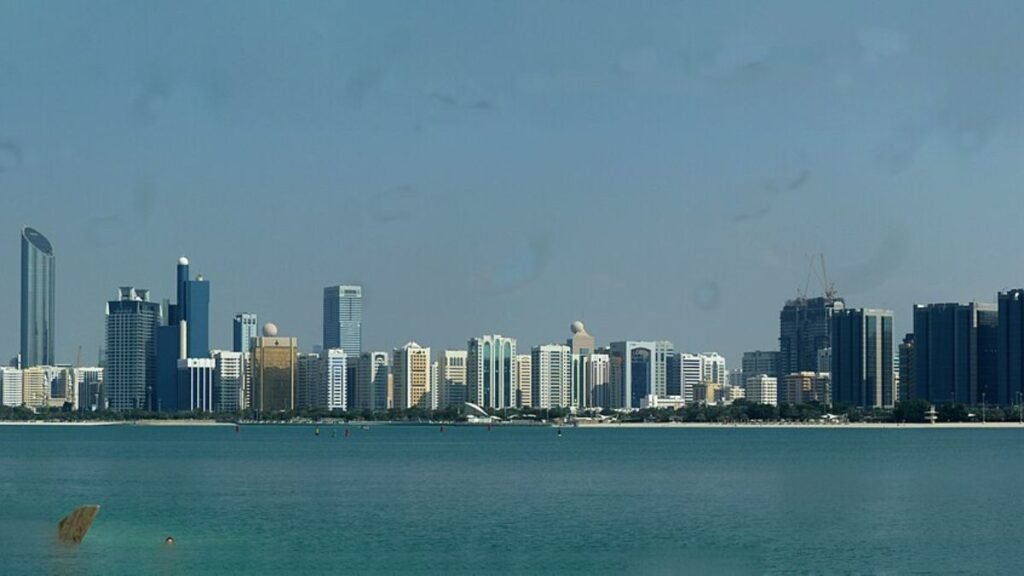
The United Arab Emirates has become one of the few venues both sides accept. It has quietly brokered a long series of prisoner exchanges between Russia and Ukraine since 2022 and hosted the first trilateral sessions in January. Umerov thanked the Emirates for what he called their unwavering support. For Washington, the UAE is also a close partner in the Gulf, where U.S. forces remain on alert over Iran, which adds weight to its role as host.
Where earlier rounds left off
The United States held its first trilateral talks with Russia and Ukraine in Abu Dhabi on Jan. 23 and 24, followed by a second round there and a third in Geneva in February. Witkoff called the early sessions productive, but no agreement was reached on a ceasefire or territory. The process then stalled when the United States and Israel went to war with Iran on Feb. 28.
The bigger picture
The talks come as Washington juggles two wars. President Donald Trump said he expects to speak with Chinese President Xi Jinping and Putin at next week’s APEC summit, where he plans to discuss the war in Iran, Al Jazeera reported. Any progress in Abu Dhabi could shape that conversation.
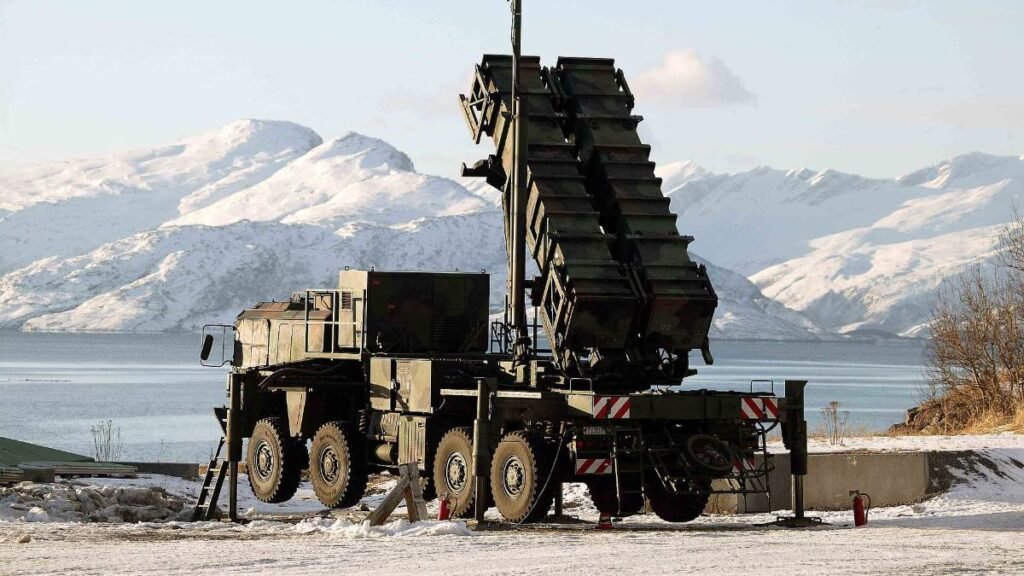
On the ground, there has been no letup. Russia has stepped up its long-range strikes on Ukrainian cities and energy sites, while Ukraine has kept hitting Russian oil infrastructure. Our report on the $2.1 billion Patriot sale covers how the air defense gap is shaping Kyiv’s position.
What would count as progress
- An agreed date for another round, ideally at a higher level.
- A new prisoner exchange or humanitarian corridor.
- Any formal role for the European team.
- Even a limited pause on strikes against energy infrastructure.
Sources
- Euronews: EU to send joint team to Ukraine-Russia peace talks in Abu Dhabi
- Yahoo News Singapore/Euronews: NATO representation at Abu Dhabi talks
- Bloomberg via Yahoo: Russia is sending higher-level delegation to Abu Dhabi
- UNN: Trilateral talks will be held in Abu Dhabi, Umerov says
- Time News: Lavrov says security issues top Abu Dhabi talks agenda
- The Europe Today: Putin says trilateral talks begin in Abu Dhabi
- Wikipedia: 2026 US-Ukraine-Russia meetings in Abu Dhabi
- Al Jazeera: Iran war live, Nov. 9
- The Times of Israel: Live updates, Nov. 9
Photo: Edgar El, CC BY 3.0, file photo.