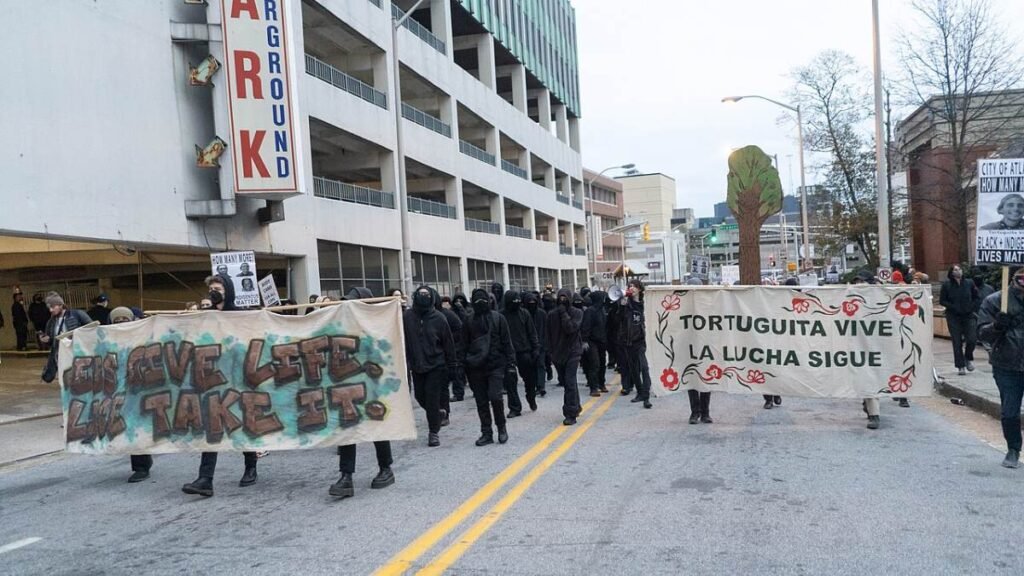
Why Americans Are Protesting Against Cop City: Key Reasons You Should Know
Cost, the forest, policing and public input: the main reasons opposition to Atlanta’s training center spread far beyond Georgia.
The newest reporting from StopCop.City on policing, civil liberties, Atlanta public safety, the environment and US defense.
Cost, the forest, policing and public input: the main reasons opposition to Atlanta’s training center spread far beyond Georgia.

Forest encampments, mass petitions, a referendum drive and legal challenges. A look at the range of tactics opponents of the training center have used, and how authorities responded.
Critics of the training center argue the money could fund other approaches to safety. What community-centered public safety models propose, and the evidence behind them.
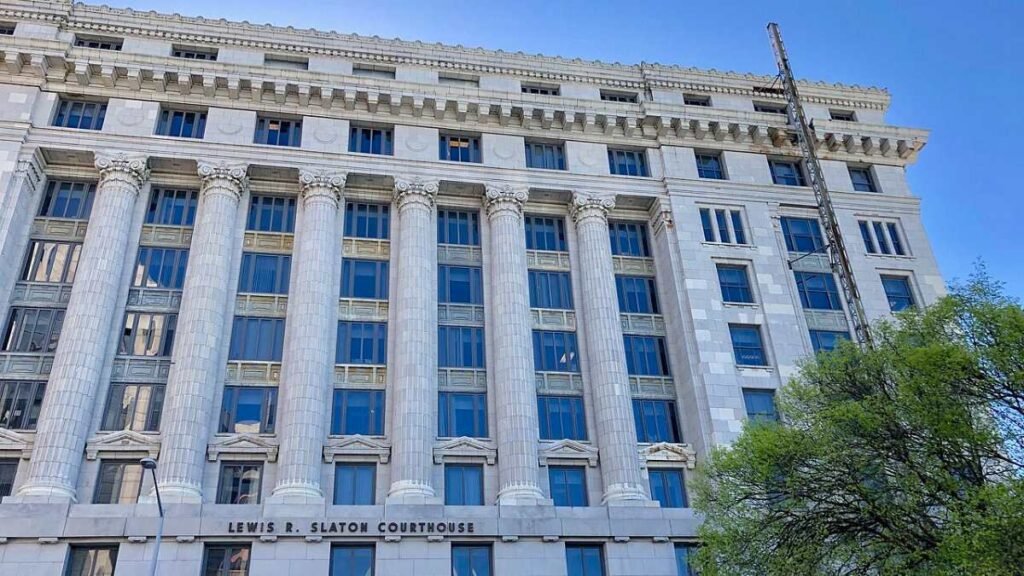
Domestic terrorism counts, a sweeping RICO indictment and a dismissal on appeal. How Georgia prosecuted protesters, and what the cases reveal about the legal limits of dissent.
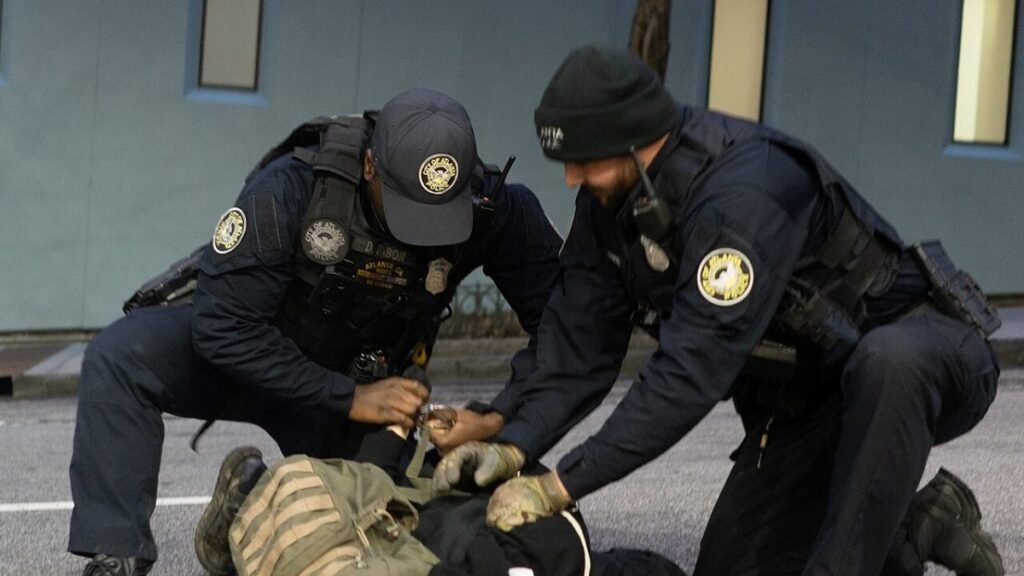
Protest is protected by the First Amendment, but arrests, surveillance and criminal charges are real risks. What demonstrators should know about their rights and how to stay safe.
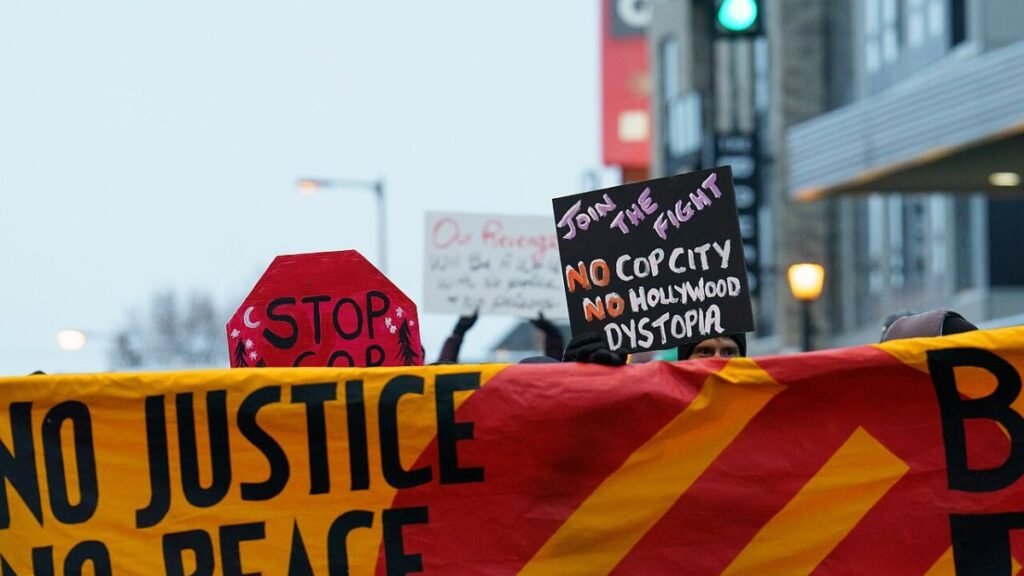
Atlanta’s public safety training center opened in 2025 after years of protests. What its opening changes for the city, and why opponents say the fight is not finished.
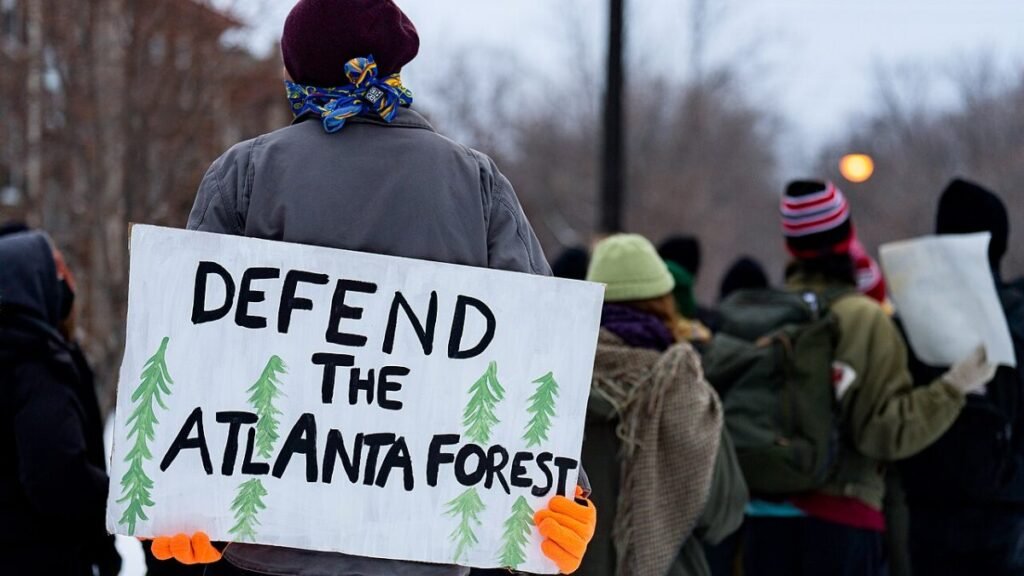
For opponents, the training center brings together two concerns: the loss of urban forest and the growing militarization of American policing. How the two arguments became linked.
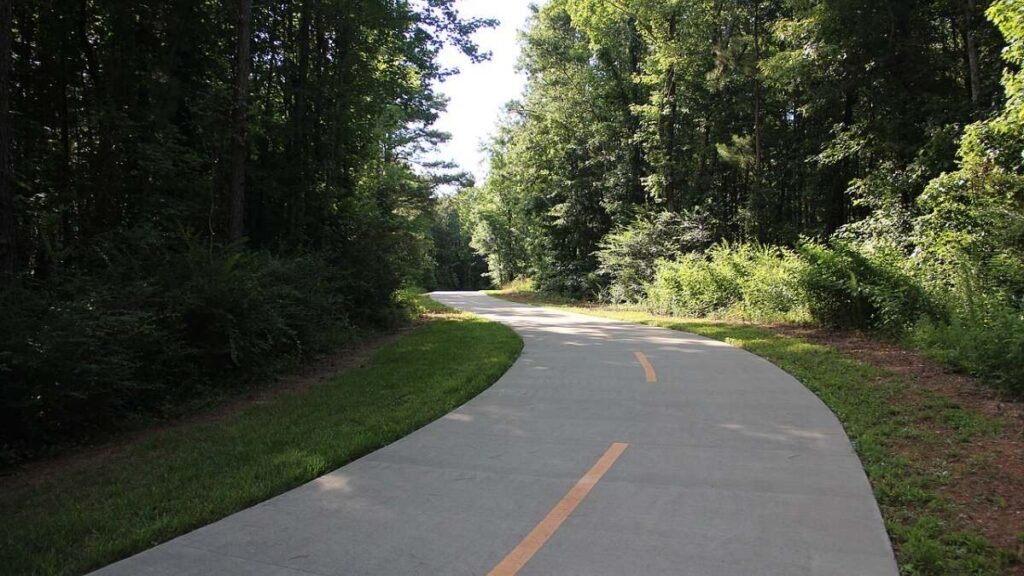
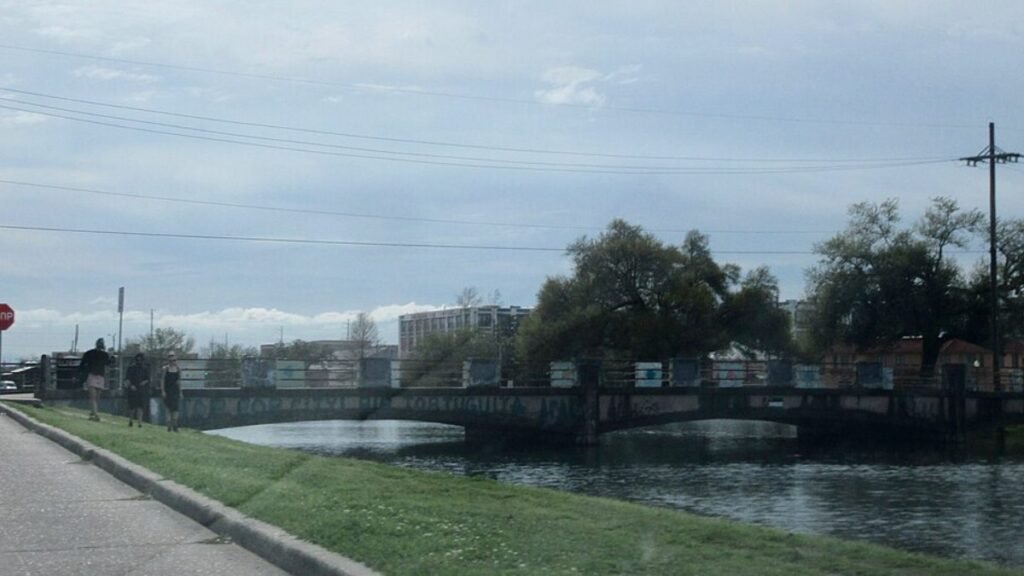
Long before the protests, the South River Forest was a former prison farm and a rare stretch of green space in southeast Atlanta. How it became the center of a national fight.
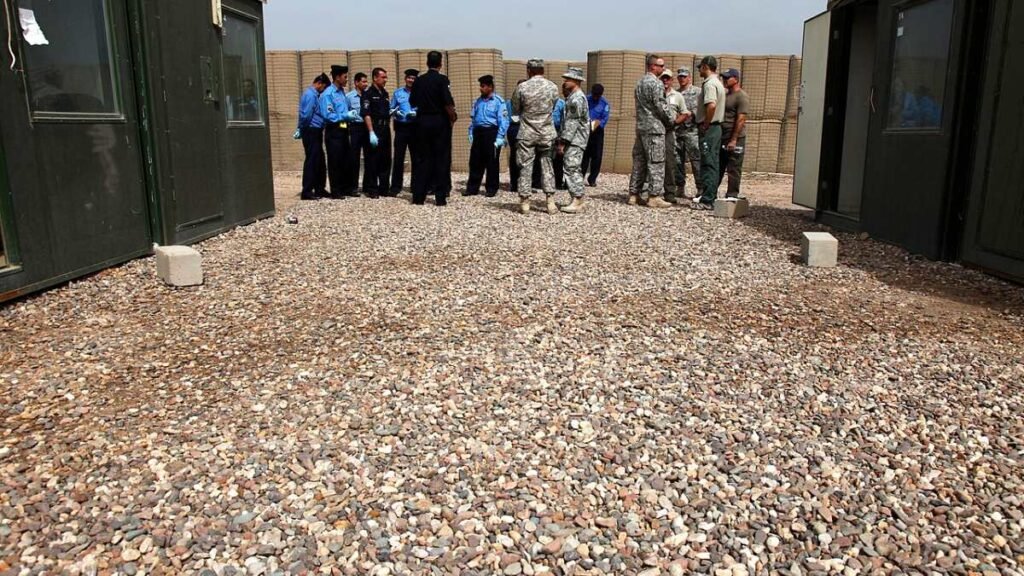
Modern training centers often include mock streets and buildings. Supporters say they produce better-prepared officers; critics fear they normalize military-style tactics.
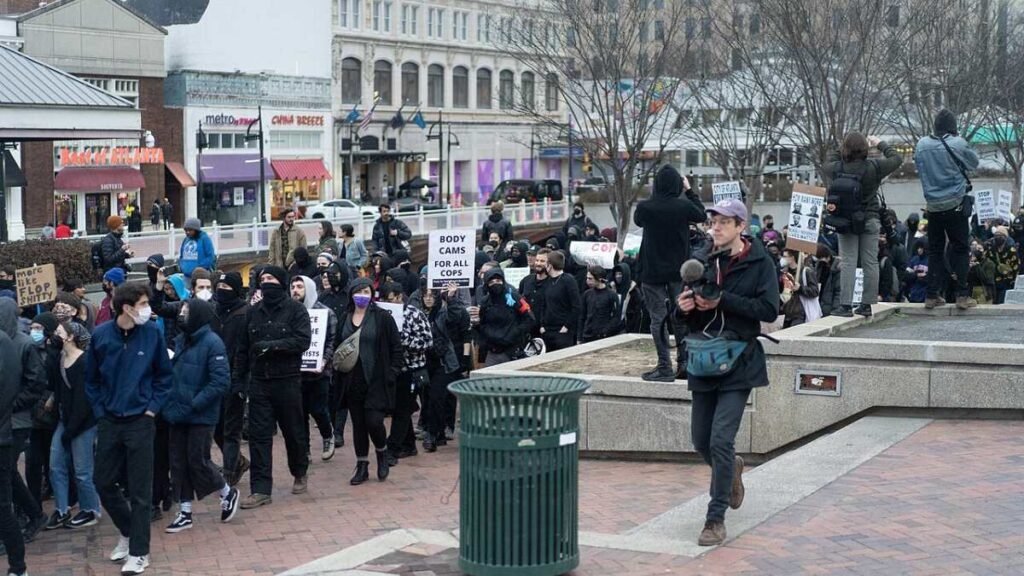
Why prosecutors turned to a racketeering statute against protesters, what the indictment alleged, and why civil liberties groups called it an overreach.