Iran’s leaders spent Wednesday treating the U.S. midterm elections as their own victory. By Thursday, the message from Tehran had a harder edge: if Washington resumes the war, Iran says it will not stay inside the Strait of Hormuz.
President Donald Trump, for his part, said he has no immediate plans to launch new strikes on Iran, Bloomberg reported. The National, a UAE daily, summed up his position in its live coverage as no immediate strike plan, but U.S. forces “locked and loaded,” according to its Nov. 4 live blog.
Tehran claims a political win
Parliament Speaker Mohammad Bagher Ghalibaf, who has led Iran’s negotiations with Washington, cast the result as a referendum on the war. “Conscience or the cost of living, Americans said no to war, and we endorse this message,” he wrote on X, according to The National. He warned that if the United States ignored that message, Iran’s answer would come with a nightmare.
Others piled on:
- Mohsen Rezaei, secretary of the Supreme National Security Council, said Iran had handed Trump a strategic defeat on the battlefield and in Hormuz, and a political defeat in Washington.
- Alireza Zakani, Tehran’s mayor, said those trying to topple Iran’s system were on the path to their own downfall.
- Ebrahim Azizi, a hard-line lawmaker, called Trump the most failed president in U.S. history.
- State newspapers ran headlines declaring the twilight of Trumpism, and the phrase “lame duck” entered Iran’s political vocabulary.
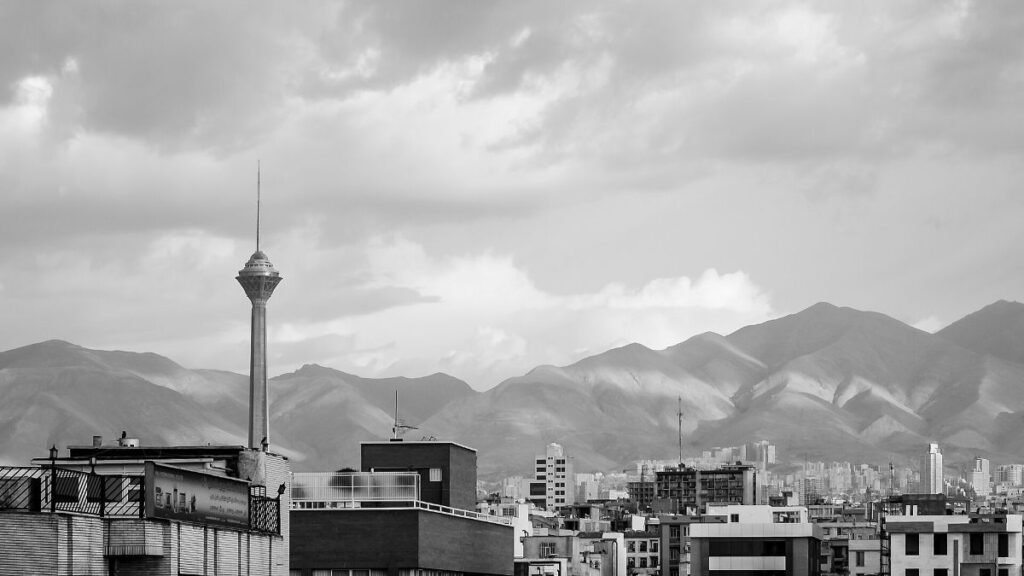
The celebrations took a darker turn on state television. Iranian state TV broadcast live a mock hanging of an actor wearing a Trump mask in Tehran’s Tajrish Square, as spectators cheered, Iran International reported. Days earlier, a billboard threatening Trump’s life went up over the city’s Enghelab Square.
The supreme leader is not celebrating
Supreme Leader Mojtaba Khamenei struck a different tone. A statement attributed to him said anyone who expects Washington’s behavior to change because of partisan shifts is seriously mistaken, The National reported. It was a signal that Iran’s top authority is not betting on a deal with a weakened Trump.
That fits what a Reuters report found before the vote. Iranian officials had deliberately dragged out negotiations to weaken Trump politically while preparing for possible U.S. and Israeli strikes, one official told the news agency, according to The National. The official said the clerical establishment was determined not to hand Trump a political victory.
The threat: a war beyond Hormuz
The sharpest warning came from Brig. Gen. Esmail Qaani, commander of the Revolutionary Guards’ Quds Force, which runs Iran’s network of allied militias. He said the whole so-called axis of resistance now acts as a single front and that renewed war would bring fighting in Hormuz and a push to seize control of the Bab al-Mandeb strait, the southern entrance to the Red Sea, The National reported.
That threat is not abstract. Yemen’s Houthis, Iran’s allies, operate along Yemen’s Red Sea coast and have attacked shipping near Bab al-Mandeb throughout the war. On Thursday, the Saudi-led coalition said it intercepted a Houthi missile aimed at Medina, home to one of Islam’s holiest sites, Iran International reported.
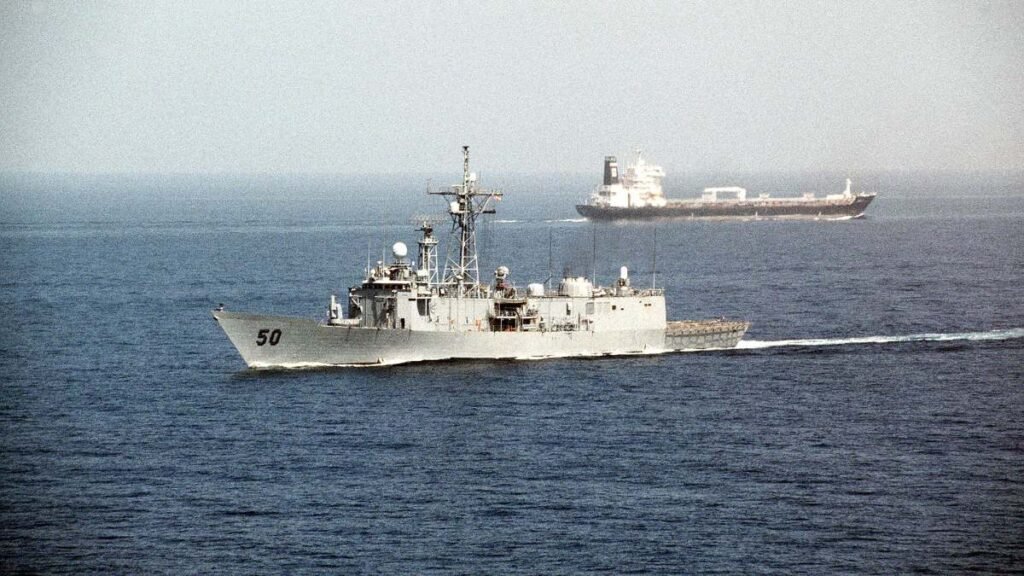
At sea, the Revolutionary Guards claimed that two oil tankers and a tugboat caught fire in separate incidents in the Strait of Hormuz overnight, and that they seized two U.S. Lucas drones by taking control of them electronically. Those claims have not been independently verified.
Trump’s options
Trump faces a choice between resuming strikes, pursuing a negotiated deal or keeping up economic pressure through the naval blockade, Axios reported, according to Iran International. Axios also reported that Vice President JD Vance privately questioned Israeli Prime Minister Benjamin Netanyahu’s assessment of Iran.
Before the vote, Trump had said he was in no hurry to restart the war and preferred economic pressure. U.S. forces nonetheless struck Iran’s Qeshm Island on Nov. 2 in what officials called a defensive action, and officials have told Gulf allies to prepare for a possible larger campaign.
The Jimmy Carter warning
Analysts worry that both sides may misread the moment. Ali Vaez, the Iran project director at the International Crisis Group, told CNN that a president who lost at the ballot box might seek redemption on the battlefield, The National reported.
Vaez said Gulf mediators, including Qatar and Pakistan, fear Iran is trying to turn Trump into another Jimmy Carter, whose presidency was defined by the 1979-1981 hostage crisis, rather than offering him a face-saving way out. Trump may be weaker at home, he noted, but the U.S. military is no weaker than before.
What Democrats’ win changes, and what it doesn’t
The election does not take away Trump’s authority to order military action. Democrats take control of Congress in January, which gives them more power over military spending, oversight and war powers votes, but not a veto over presidential decisions on the use of force. Democratic committee staff told NPR they expect more war powers votes and pressure on Pentagon officials over the war’s cost. Past war powers votes have passed but were largely symbolic, because a president can veto them.
Until then, the decision on whether to resume the war remains Trump’s alone. Iran has made clear how it plans to respond if he does.
What to watch
- Whether Trump approves a larger strike package now that the election has passed.
- Whether Iran’s civilian leaders push the security establishment toward the latest Qatari proposal.
- New Houthi attacks near Bab al-Mandeb or on Saudi Arabia.
- Confirmation, or denial, of the Revolutionary Guards’ tanker and drone claims.
Sources
- NPR: Democrats have plans for a long list of Trump investigations
- The National: Iran sees opening after Trump midterms setback but warns of wider conflict
- The National: Iran war latest, Nov. 4
- Bloomberg: Trump plays down prospect of Iran strikes after midterm rout
- Iran International: Trump weighs renewed Iran strikes, negotiations after election losses
- Iran International: Live updates, Nov. 5
Photo: Julia Maudlin, CC BY 2.0, file photo.