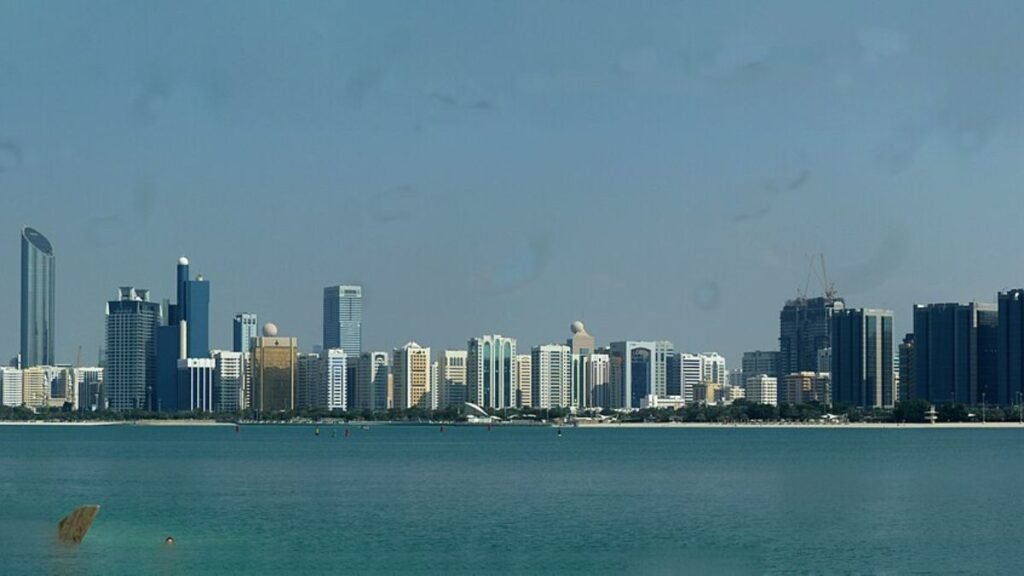
The first face-to-face talks between Russia and Ukraine in nine months lasted a little under four hours on Tuesday. By the evening, Kyiv was calling them the most serious in a long time, though no one would say what, if anything, had been agreed.
The session in Abu Dhabi ended after nearly four hours, Russia’s RIA Novosti news agency said, according to NBC News and The Associated Press. Ukraine’s Foreign Intelligence Service, whose chief leads Kyiv’s team, said talks would resume Wednesday.
What Zelenskyy said
After a briefing from his negotiators, President Volodymyr Zelenskyy described the first day as “constructive and quite substantive,” Al Jazeera reported. He said the two sides discussed humanitarian issues and security guarantees.
That is a noticeably warmer tone than after the first Abu Dhabi round in January, when Zelenskyy said it was too early to draw conclusions. Then, the main sticking point was Russia’s demand that Ukraine give up the roughly quarter of the Donetsk region it still holds, according to All India Radio’s report on that round.
Radio Free Europe/Radio Liberty noted it was still unclear what progress, if any, had been made, in its report on the day.
Who was in the room
The cast was bigger than billed. Photos released after the session showed Kremlin aide Vladimir Medinsky across the table with Igor Kostyukov, director of Russia’s GRU military intelligence agency, and Alexander Zorin of the Russian General Staff, according to Al Jazeera’s captions of AFP images.
On the American side, special envoys Steve Witkoff and Jared Kushner were joined by Gen. Alexus Grynkewich, the U.S. Air Force general who serves as NATO’s Supreme Allied Commander Europe, RFE/RL reported. The UAE’s foreign minister, Sheikh Abdullah bin Zayed Al Nahyan, also attended the opening, Gulf Today reported.
Ukraine’s delegation was led by Rustem Umerov, who said the day began with a meeting between the Ukrainian and American teams before moving to the three-way format, the AP reported.
The Europe question
Europe’s role was the subplot of the day. France’s presidential office said representatives from France, the U.K., Italy, Germany and NATO were taking part, according to Gulf Today. The Kremlin, by contrast, has insisted the talks are strictly trilateral.
Kushner offered a possible bridge. A comprehensive and lasting settlement would also require direct engagement between Russia and the European partners on security arrangements that affect them, he wrote on X on Monday, and the Abu Dhabi talks would set the stage for that engagement to begin soon as part of a broader process, the AP reported.
The European presence followed weeks of frustration in European capitals. Italian Prime Minister Giorgia Meloni had written to European Council President António Costa complaining about disarray in the diplomatic formats and calling for a special European envoy, and the Commission and Council then agreed to send a joint team, Euronews reported.
Kushner’s statement is a meaningful signal. Moscow has long preferred to deal with Washington alone, while European capitals have warned against any deal made over their heads.
Why security guarantees are the core issue
The White House said before the talks that they would focus on security guarantees, the AP reported. The two sides see that question in opposite terms: Russia regards NATO as a threat on its borders, and Ukraine wants protection against another invasion after any ceasefire.
In earlier rounds, Russia rejected any presence of Western troops in Ukraine. Kyiv, in turn, has insisted that security guarantees must be real enough to deter Moscow. The presence of NATO’s top commander in Abu Dhabi suggests the military details of any arrangement are now on the table.
How the talks got here
- Jan. 23-24: The first trilateral round in Abu Dhabi, with Russia’s team then led by GRU chief Kostyukov. It ended without a breakthrough on territory or security guarantees.
- Early February: A second round in Abu Dhabi, then a third in Geneva.
- Feb. 28: The United States and Israel go to war with Iran, and the Russia-Ukraine track stalls.
- Late October: A six-day local truce around Oleshky, which Washington said was brokered by first lady Melania Trump, allows aid and evacuations.
- Nov. 2: U.S. envoy Steve Witkoff announces the new round, hours after the Komyshuvakha strike.
- Nov. 10: Talks resume in Abu Dhabi.
The UAE’s role is not new. Its president, Sheikh Mohamed bin Zayed, was thanked by Putin in January for mediating prisoner exchanges between Russia and Ukraine, according to All India Radio, and both sides have accepted Abu Dhabi as neutral ground.
What happened on the battlefield
The war did not pause for the talks. Zelenskyy has been pointing to recent battlefield successes, Al Jazeera reported, as both sides try to strengthen their hands at the table. Russia has stepped up long-range strikes on Ukraine’s power grid ahead of winter, and Ukraine has kept up drone attacks on Russian oil infrastructure.
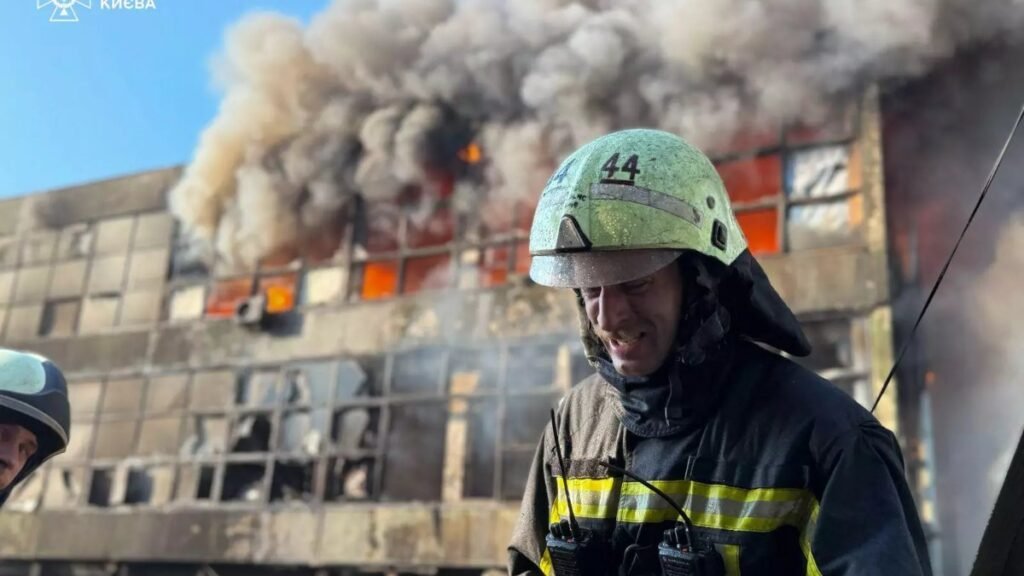
Our earlier report covers the Russian strike that killed 31 people at an aid hub days before the talks were announced.
What to watch on day two
- Whether the sides announce a prisoner exchange or other humanitarian step, the most likely concrete outcome.
- Any agreed date or format for a next round, including direct Russia-Europe talks.
- Whether Russia softens its demand on the Donetsk region.
- Statements from Witkoff and Kushner on what Washington thinks was achieved.
Sources
- Euronews: EU to send joint team to Abu Dhabi talks
- All India Radio: UAE president meets Putin as Abu Dhabi hosts talks
- Al Jazeera: First day of Russia-Ukraine talks in Abu Dhabi constructive, Zelenskyy says
- NBC News/AP: Russia and Ukraine hold nearly 4 hours of US-mediated talks
- AP via U.S. News: US-mediated talks begin in Abu Dhabi
- RFE/RL: Ukraine, Russia negotiators conclude first day of US-led peace talks
- Gulf Today: Abdullah attends launch of trilateral talks
- France 24: Live updates on the Abu Dhabi talks
- All India Radio: First round of trilateral talks in Abu Dhabi, January 2026