Updated Oct. 23: Adds Ukraine’s dispute with the Pentagon over allied-funded Patriot interceptors, Hegseth’s response, the latest Lockheed Martin and RTX results on missile production and backlog, Anduril’s plans for Europe, and the Missile Defense Agency’s June THAAD contract.
In the span of five days this month, the Pentagon and its biggest missile makers announced three moves aimed at the same problem: the United States fired a lot of interceptors in the war with Iran, and it can’t build new ones fast enough.
On Oct. 5, Boeing said it had signed a seven-year deal worth about $14.7 billion to triple output of the seeker that guides the Patriot PAC-3 MSE. On Oct. 8, Raytheon announced a five-year, $6.3 billion contract for SM-3 Block IB interceptors. And on Oct. 9, Lockheed Martin unveiled the PAC-3 Edge, a new Patriot interceptor it says is built to hit hypersonic missiles at longer range and higher altitude, and to cost about the same as the current one.
None of it will refill the shelves quickly. Analysts at the Center for Strategic and International Studies estimated in April that for four of seven key munitions, the U.S. may have used more than half its prewar inventory, and that getting back to prewar levels “will take from one to four years.” Manufacturing lead times that once ran about 24 months now stretch to 36 months or more.
Here is where each of the main systems stands.
Since Oct. 17: Ukraine’s Patriot wait and a record missile backlog
The fight over who gets Patriot interceptors has spilled into the open. Ukrainian officials say Defense Secretary Pete Hegseth has not approved the transfer of a “significant batch” of Patriot missiles that Ukraine’s allies have already paid for, the Kyiv Independent reported Oct. 19. “Hegseth has the contracts for Patriot missiles on his desk. He is not signing off on them,” one Ukrainian official told the outlet. A U.S. government official called the claims “not true,” and a NATO official said deliveries under the alliance’s PURL program, which lets allies buy U.S. weapons for Ukraine, were still moving. President Volodymyr Zelensky has said the U.S. sends Ukraine only 12 Patriot interceptors a month, the Kyiv Independent noted, citing Bloomberg.
Hegseth told reporters on Oct. 20 that the U.S. posture toward Ukraine had not changed, but that with interceptors, Washington wants to make sure American forces have as many as possible, The Hill reported. A day later, Ukraine’s Defense Ministry said Defense Minister Yevhen Khmara and Commander-in-Chief Mykhailo Drapatyi had met a Lockheed Martin delegation in Kyiv, with more PAC-3 deliveries on the agenda, according to the Kyiv Independent.
The production push shows up in the contractors’ books. On Oct. 22, Lockheed reported that its Missiles and Fire Control unit, which builds PAC-3 and THAAD, had $4.5 billion in third-quarter sales, up 24% from a year earlier. The company said $480 million of that gain came from air and missile defense programs “due to production ramps.” The unit’s backlog stood at $142.5 billion as of Sept. 27, up from $46.7 billion at the end of 2025, and the company’s total backlog hit a record $292 billion, including $52.5 billion tied to the multiyear PAC-3 MSE award, according to its earnings release.
Two days earlier, RTX said Raytheon’s third-quarter sales rose 14% to $8 billion on higher volume in naval programs and in land and air defense systems, including Patriot, according to its earnings release. The company also said it received multiyear production contracts for Tomahawk and AMRAAM missiles in the quarter, without giving their value.
Newer players want a share of the market. Anduril, which unveiled its lower-cost Steelfin interceptor on Oct. 12, could eventually build it in Europe, Brian Moran, the company’s vice president for Europe, told Reuters in a story published by Defense News Oct. 18. Flight testing is planned for 2027.
Latest: an Army warning and a new factory
Since this story first ran, a report has shown how worried the Army’s own leadership was. In late December 2025, then-Army Chief of Staff Gen. Randy George warned that missile defense munitions were critically short and that the shortage would last about five more years, CBS News reported Oct. 15. The warning was part of the Army’s planning for how forces would be allocated in fiscal 2027. Defense Secretary Pete Hegseth removed George in April.
One U.S. official told CBS that even if no more interceptors were fired, getting THAAD and Patriot stocks back to their already low December 2025 levels would take until 2030.
CBS cited CSIS estimates that the U.S. had about 355 THAAD interceptors before the war and used 190 to 290 of them, and about 2,300 Patriot interceptors at the start of 2026, of which 1,050 to 1,430 were used. Fewer than 500 replacement Patriots were expected in fiscal 2026, according to the estimates.
The Pentagon disputes the picture. “Claims of U.S. munitions shortages are false,” Pentagon spokesman Sean Parnell told CBS. Mark Cancian, a senior adviser at CSIS, said the industrial base had been run lean for years: “We squeezed all the surge out because it was seen as unnecessary.”
Industry is adding capacity. On Oct. 14, Lockheed Martin said it would spend $300 million to expand its plant in Grand Prairie, Texas, which makes parts for PAC-3 MSE, THAAD and the Army’s Precision Strike Missile, according to a company release. The site will grow to more than 735,000 square feet. Final assembly stays in Camden, Arkansas, and Troy, Alabama.
“This expansion is more than just a new facility; it is a stronger supply chain and a more resilient industrial base,” said Michael Duffey, under secretary of war for acquisition and sustainment. The expansion is part of the company’s push to take PAC-3 MSE production from about 600 to about 2,000 a year over seven years, Defense News reported.
Lockheed is also weighing PAC-3 production in Europe. Germany has offered to host it, and the likely partner is Diehl Defence, Army Times reported Oct. 13. A cheaper PAC-3 version called ACE, which costs about half as much as the MSE, could come first for Ukraine. “We at Lockheed don’t have the authority to just build factories wherever we want,” said Jason Reynolds, vice president and general manager of Lockheed’s integrated air and missile defense division. The U.S. government has the final say, Army Times noted.
Ukraine’s need is acute. CNN reported Oct. 15 that Ukraine has run out of Patriot interceptors as Russian strikes intensify, adding to the competition for every missile that comes off the line.
The Navy side got a boost too. On Oct. 1, Raytheon announced a multiyear contract worth up to $24.4 billion for SM-6 interceptors, covering five years with two option years, according to a company release. “Raytheon is intensely focused on meeting the demand,” Raytheon President Phil Jasper said.
Congress has not added money. The stopgap spending bill that runs through Dec. 11 left out the White House’s request to obligate funds for PAC-3, Tomahawk, AMRAAM and two SM-3 variants, and did not include the supplemental request for the war with Iran, Breaking Defense reported.
Patriot
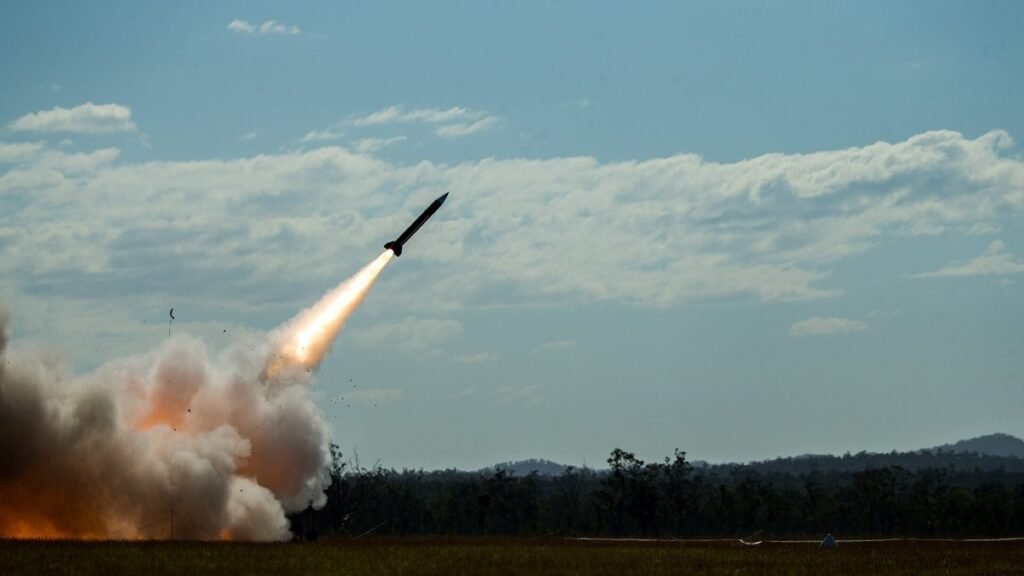
The Patriot is the Army’s workhorse air and missile defense system, and its PAC-3 MSE interceptor has been in heavy demand from the Persian Gulf to Ukraine. A CSIS estimate published in late July found that about 65% of U.S. Patriot interceptors were expended between February and July, Reuters reported. Two people familiar with internal U.S. data told the news agency the estimate matched.
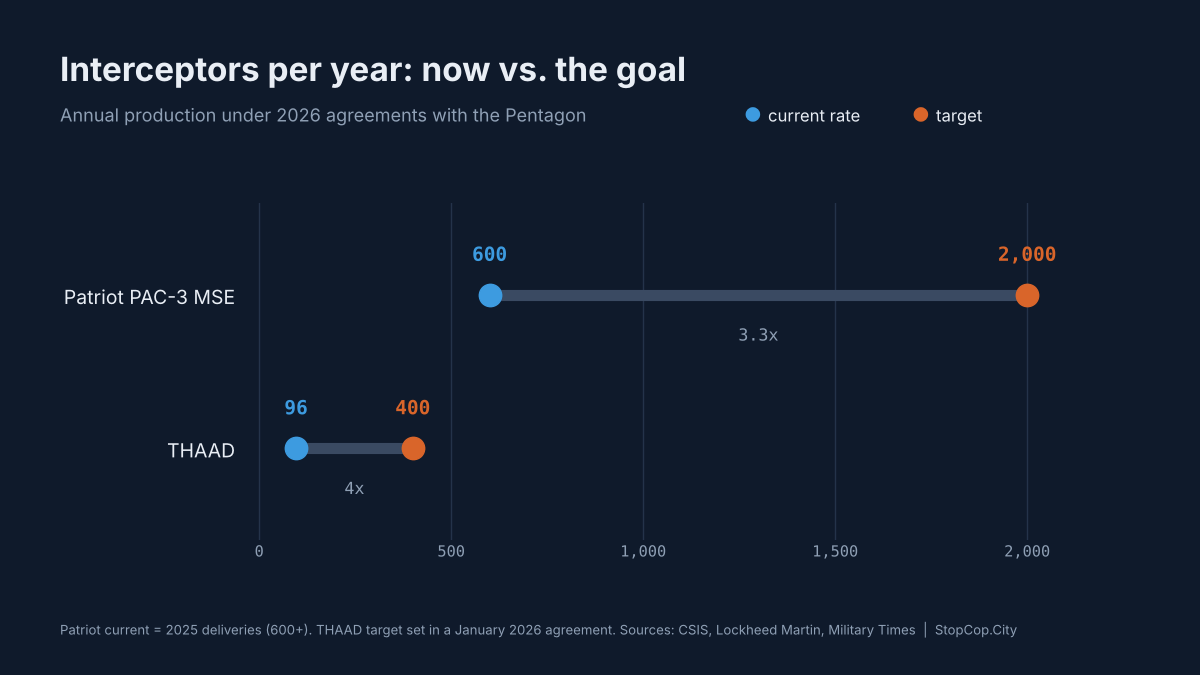
Production has been climbing from a low base. The Pentagon received nearly 270 PAC-3 MSEs a year from 2015 on, according to CSIS. Lockheed delivered more than 600 in 2025. In January it signed a seven-year framework with the Pentagon to reach about 2,000 a year, and in July the Army awarded it a contract worth up to $58.6 billion to get there. CSIS notes that about half of Patriot output goes to allies and partners, so the U.S. doesn’t keep all of it.
The new PAC-3 Edge adds a new seeker, upgraded flight controls and a multi-pulse rocket motor from Northrop Grumman. Tim Cahill, president of Lockheed’s missiles and fire control business, told Reuters that at full production the company could build about 2,000 a year, “comparable with PAC-3 MSE.” Lockheed says testing will start in 2027 and it is aiming to deploy the interceptor in 2031, according to a company release.
THAAD
CSIS calls THAAD “the most critical” of the interceptors because there are so few of them and nothing else does the same job. The system shoots down ballistic missiles high in the atmosphere. The U.S. has eight batteries, each with six launchers holding eight interceptors.
The Missile Defense Agency had 534 THAAD interceptors as of December 2025, according to CSIS. The U.S. fired 100 to more than 150 of them, by CSIS estimates, during the 12-day war between Israel and Iran in June 2025. By July of this year, CSIS estimated, U.S. stocks were at least 38% lower than when the war with Iran began.
Production is the tightest bottleneck of all. Lockheed has been building about 96 THAAD interceptors a year. A January framework agreement set a goal of 400, and in June the Missile Defense Agency gave Lockheed a seven-year contract worth more than $35 billion to get there, Military Times reported. CSIS reported there had been no THAAD deliveries since August 2023, with deliveries set to resume by April 2027.
SM-3 and SM-6
The Navy’s SM-3 Block IB is a hit-to-kill interceptor that destroys ballistic missiles in midcourse by ramming them. It was first used in combat in April 2024, when the destroyers USS Arleigh Burke and USS Carney fired at Iranian missiles aimed at Israel. The U.S. fired about 80 more during the 12-day war in 2025, CSIS estimated, and the Missile Defense Agency had 414 SM-3s at the end of that year.
The new $6.3 billion contract runs five years with two option years, with work mainly in Tucson, Arizona, and Huntsville, Alabama. “SM-3 Block IB has proven its relevance in combat,” Raytheon President Phil Jasper said in a statement. Neither the company nor the Pentagon disclosed how many missiles it buys.
The SM-6, which can hit aircraft, cruise missiles and some ballistic missiles, is the Navy’s most flexible interceptor. RTX plans to produce more than 500 a year, according to CSIS.
Tomahawk and the Army’s long-range missiles
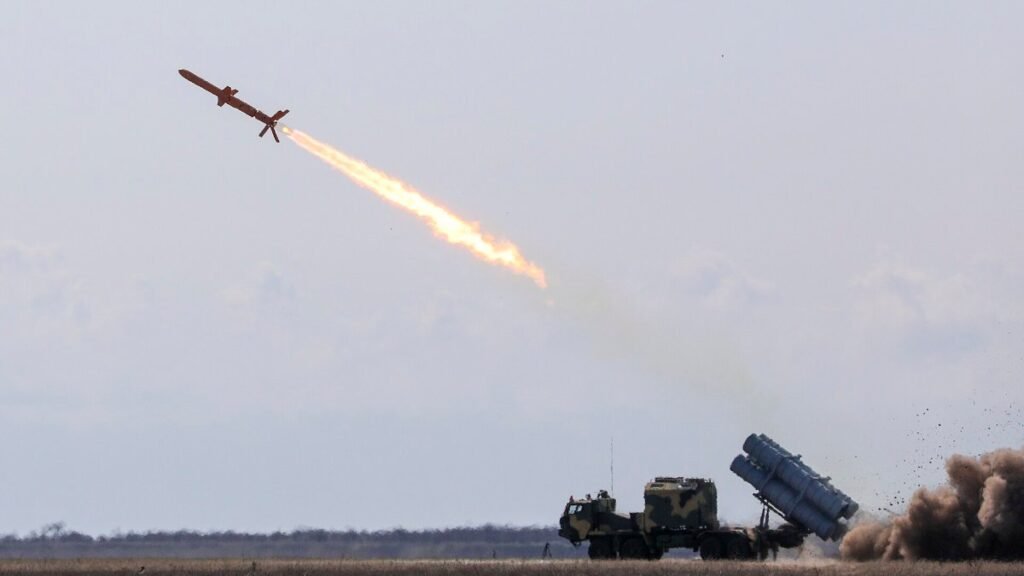
The offensive side was hit just as hard. The Washington Post reported that the U.S. fired more than 850 Tomahawk cruise missiles in the first month of the war, and the Wall Street Journal put the figure above 1,000. One source told Reuters the U.S. had used a little less than half its global Tomahawk supply. RTX plans to build more than 1,000 a year under its framework agreement with the Pentagon, according to CSIS.
The Army used “virtually all” of its ATACMS and newer Precision Strike Missiles, two people familiar with the data told Reuters in August. The Army has ordered a large number of PrSMs for 2027.
The cost problem
Interceptors are expensive, and the threats they stop often aren’t. A PAC-3 costs roughly $4 million, according to estimates cited by Military Times, while Iran’s Shahed drones run about $20,000 to $50,000 each, about $35,000 on average. At the average price, that is roughly 114 to 1 in Iran’s favor, and that’s before counting launchers and radars.
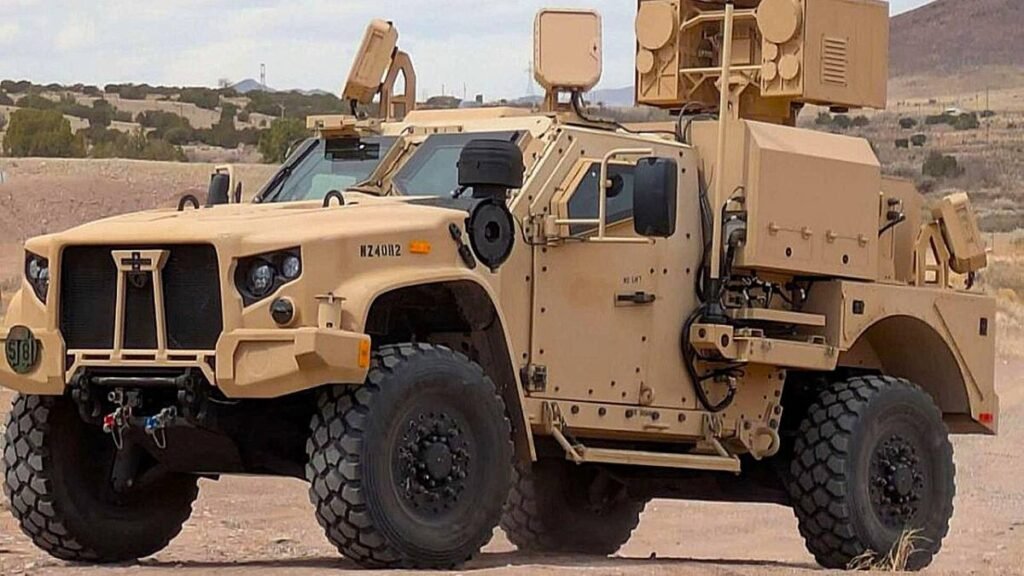
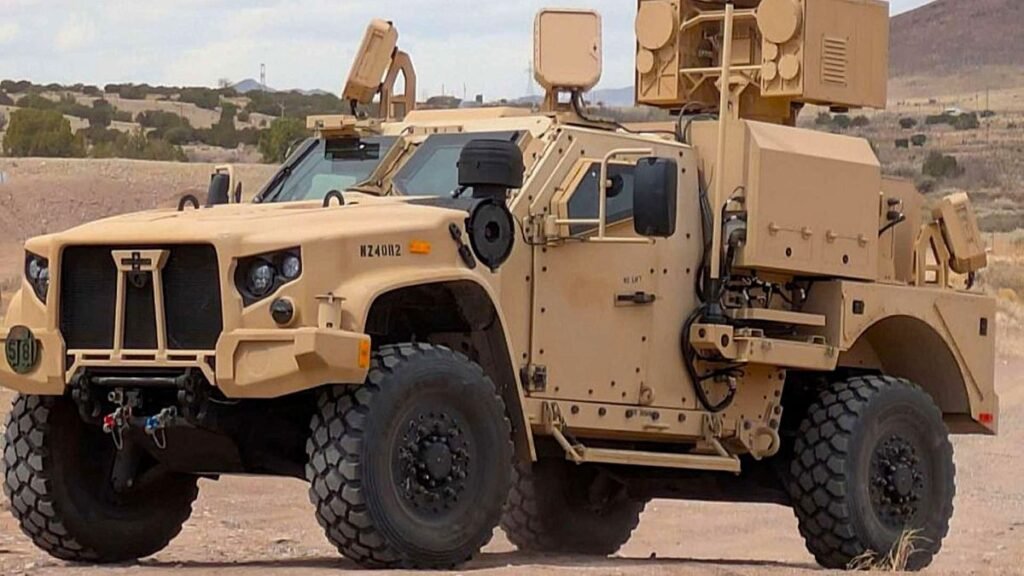
That math is why the Pentagon is also spending on cheaper defenses, including the lasers and microwave weapons now headed to five U.S. bases and billions in gun- and sensor-based counter-drone contracts.
Pentagon officials have said throughout that the military has what it needs. In August, Trump said the U.S. has “far more munitions than anyone in the world.” The CSIS authors reached a similar conclusion for the current fight, finding the U.S. had enough missiles to keep going “under any plausible scenario.” Their warning was about what comes next. “The risk—which will persist for many years—lies in future wars,” they wrote.
Frequently asked questions
How many Patriot missiles can the US build a year?
Lockheed Martin delivered more than 600 PAC-3 MSE interceptors in 2025 and has a seven-year deal with the Pentagon to reach about 2,000 a year. About half of Patriot production goes to allies and partners.
What is PAC-3 Edge?
PAC-3 Edge is a new Patriot interceptor Lockheed Martin unveiled in October 2026. It has a new seeker, upgraded flight controls and a multi-pulse rocket motor, and is designed to counter hypersonic and other advanced missiles at longer range and higher altitude. Lockheed says it should cost about the same as the PAC-3 MSE.
How long will it take to replace the interceptors used against Iran?
CSIS analysts estimated in April 2026 that rebuilding inventories of key munitions to prewar levels will take one to four years, with THAAD among the slowest because production is only now ramping up from about 96 a year.
Sources
- CSIS: Last Rounds? Status of Key Munitions at the Iran War Ceasefire (Mark F. Cancian and Chris H. Park)
- Reuters via Defense News: Lockheed Martin unveils PAC-3 Edge interceptor
- Defense News: Pentagon, Raytheon sign $6.3B deal to replenish US missile interceptor supply
- Defense News: Boeing locks in 7-year deal to triple PAC-3 MSE seeker output
- Reuters via Military Times: US used virtually all long-range precision missiles during Iran war, sources say
- Military Times: ‘Race of attrition’: US military’s finite interceptor stockpile is being tested
- RTX: Raytheon awarded $6.3 billion multi-year contract for SM-3 IB interceptors
Featured image: Lance Cpl. Alyssa Chuluda / U.S. Marine Corps via Wikimedia Commons, public domain (cropped)