The State Department has approved a possible $2.1 billion sale of 500 Patriot PAC-3 Missile Segment Enhancement interceptors to Ukraine, one of the most significant steps to supply Kyiv with defensive weapons since President Donald Trump returned to office, Reuters reported.
No American money is involved. According to the State Department’s congressional notification, published Oct. 30, Ukraine will pay with donations from Canada, Germany and Norway routed through the JUMPSTART program, along with national funds financed by the European Union’s Ukraine Support Loan.
What the notice does not include is a delivery schedule.
By the numbers
- 500 PAC-3 MSE missiles, plus classified and unclassified spare parts and logistics support
- $2.1 billion estimated total cost, funded entirely by partners and allies
- 3 donor countries: Canada, Germany and Norway, with EU loan financing on top
- 2,000 PAC-3 interceptors a year: the production rate Lockheed Martin has said it is moving toward
- About 12 Patriot missiles a month: what President Volodymyr Zelenskyy says Ukraine has received on average in 2026
What the State Department approved
The notice, Transmittal No. 26-113, says Ukraine asked to buy the 500 PAC-3 MSE missiles to strengthen its integrated air and missile defense and to keep its existing Patriot batteries running against Russian attacks. Lockheed Martin, based in Bethesda, Maryland, is the principal contractor.
The State Department said the sale would not require any additional U.S. government or contractor personnel in Ukraine and would not hurt U.S. defense readiness. It said it was not aware of any offset agreement with Lockheed, but that one could be negotiated directly between Kyiv and the company.
The approval is a notification, not a delivery. The proposed sale is subject to congressional review under the Arms Export Control Act, Inside Defense reported, and a contract still has to be negotiated.
What the PAC-3 MSE does
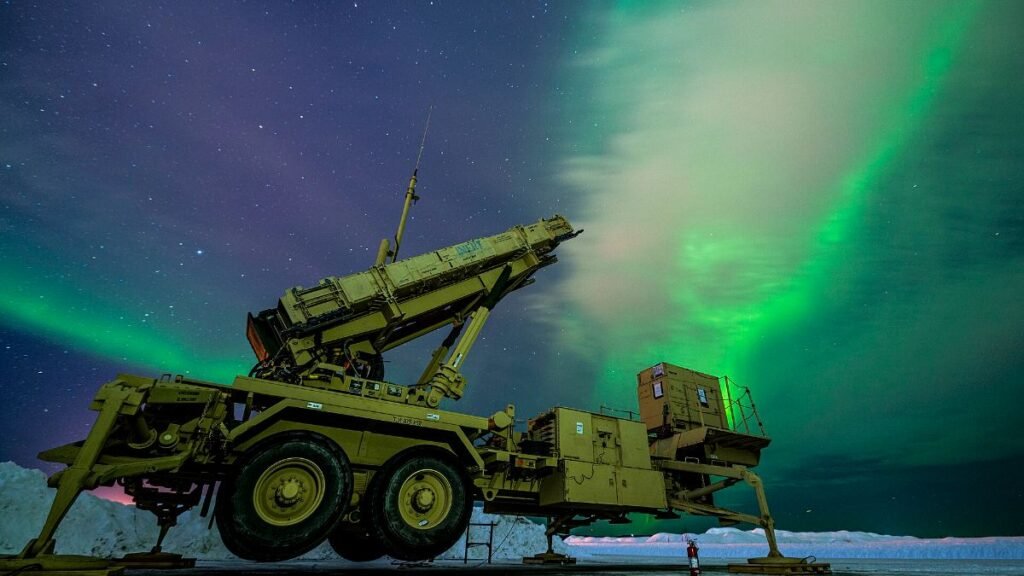
The PAC-3 MSE is the newest interceptor for the Patriot system. It destroys incoming missiles by hitting them directly rather than exploding nearby, and its larger rocket motor gives it more range and altitude than the earlier PAC-3 missile. That makes it the main U.S.-made answer to fast ballistic missiles and to some cruise missiles and aircraft.
Each Patriot battery can fire several interceptors at a single target to raise the odds of a kill, which is one reason stockpiles drain fast during heavy attacks. Reuters has described the Patriot as the most effective weapon available against fast-moving ballistic missiles. Kyiv has repeatedly pressed Western allies for more of them throughout the war.
Why Ukraine has been waiting
The PAC-3 MSE is the interceptor Ukraine most needs against Russia’s ballistic missiles, which fly too fast for most of its other air defenses. Russia has been firing them at Ukrainian cities and power plants for months; on Oct. 27, ballistic missiles struck a university campus in central Kyiv, Al Jazeera reported.
Kyiv says supply has not kept up. Zelenskyy said on Oct. 26 that Ukraine had been waiting nearly a month for Defense Secretary Pete Hegseth to approve missile supplies for its Patriot and NASAMS systems, and that Ukraine had received an average of only 12 Patriot missiles a month this year, Ukrainska Pravda reported.
At that pace, 500 missiles would equal more than three years of deliveries. Ukraine’s defense minister has also asked European allies to hand over 10% of their own interceptor stocks as an advance on future orders.
The bottleneck is the factory, and the Iran war
The sale competes with every other customer for the same production line. Lockheed has said it is ramping PAC-3 production toward 2,000 interceptors a year, and the Army has awarded the company a contract worth up to $58.6 billion for Patriot interceptors, Reuters reported. Even so, Ukraine is unlikely to receive these missiles quickly.
The United States has also burned through its own stocks. The Congressional Budget Office said in September that the Iran war had used up two-thirds of U.S. missile interceptors, Military Times reported, and the Pentagon’s latest estimate puts the cost of replacing expended munitions at more than $29 billion. Read our breakdown of what the Iran war has cost so far.
That leaves Washington, Gulf partners, European allies and Ukraine all drawing on the same queue.
The politics around the deal
The approval comes after weeks of friction between Kyiv and Washington. Delayed missile deliveries added to tensions after Trump announced a diesel deal with Russia and criticized Zelenskyy for refusing to stop Ukrainian attacks on Russian refineries, Reuters reported. We covered why that diesel deal worries Kyiv.
Ukrainian officials had also accused the Pentagon of withholding missile warnings and limiting satellite service, and throttling Starlink service, claims the administration denied. Both services were restored by late October, according to Zelenskyy.
The funding model matters too. Under JUMPSTART, allied money buys American-made equipment, so this sale does not draw on U.S. aid budgets, a point the State Department stressed in its notice.
What happens next
Congress can object during its review window, though formal blocks of foreign military sales are rare. After that, as is standard for foreign military sales, the U.S. government would contract with Lockheed on Ukraine’s behalf.
The State Department has not said when the first missiles would ship. Until they do, Ukraine is left trying to stretch a stockpile it says is already too thin, while Russian strikes on its cities continue nearly every night.
Sources
- U.S. Department of State: Ukraine – PATRIOT Advanced Capability-3 (PAC-3) Missiles, Transmittal No. 26-113
- Reuters (via Honolulu Star-Advertiser): U.S. approves $2.1B Patriot missile sale to Ukraine
- Inside Defense: State Department approves potential $2.1B Patriot missile sale to Ukraine
- Ukrainska Pravda: US approves possible sale of 500 Patriot missiles to Ukraine
- Al Jazeera: Ukraine invests in firepower as it inflicts a new Russian casualty record
- Military Times: Iran war has cost $38 billion, depleted two-thirds of US missile interceptors, CBO says
Photo: Senior Airman Joseph Leveille/U.S. Air Force (public domain), file photo.