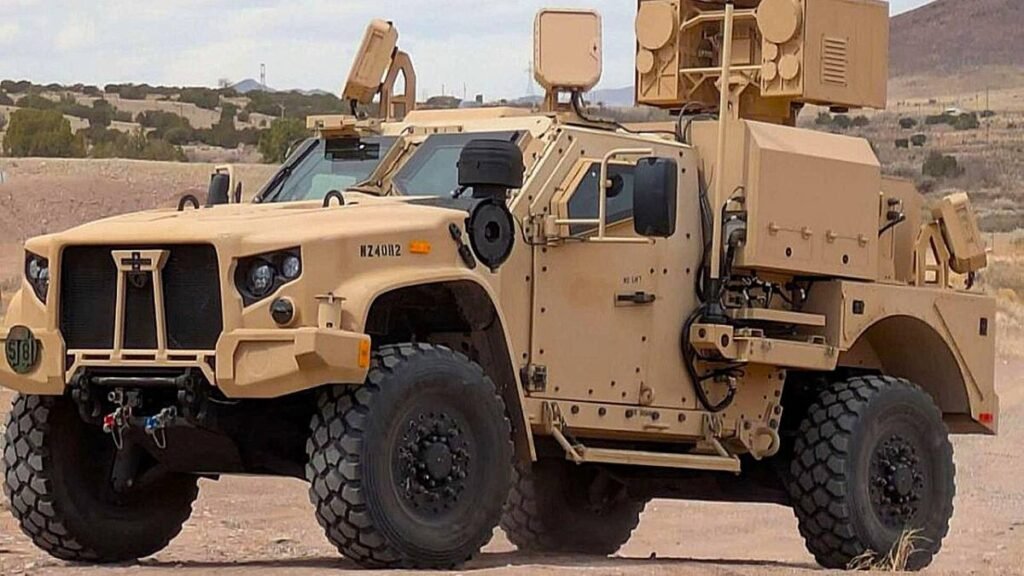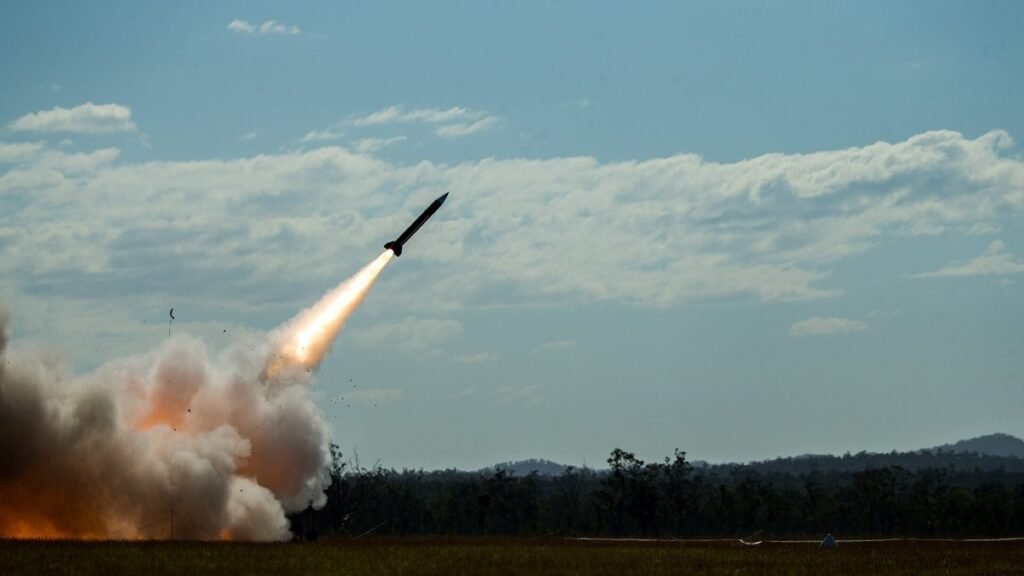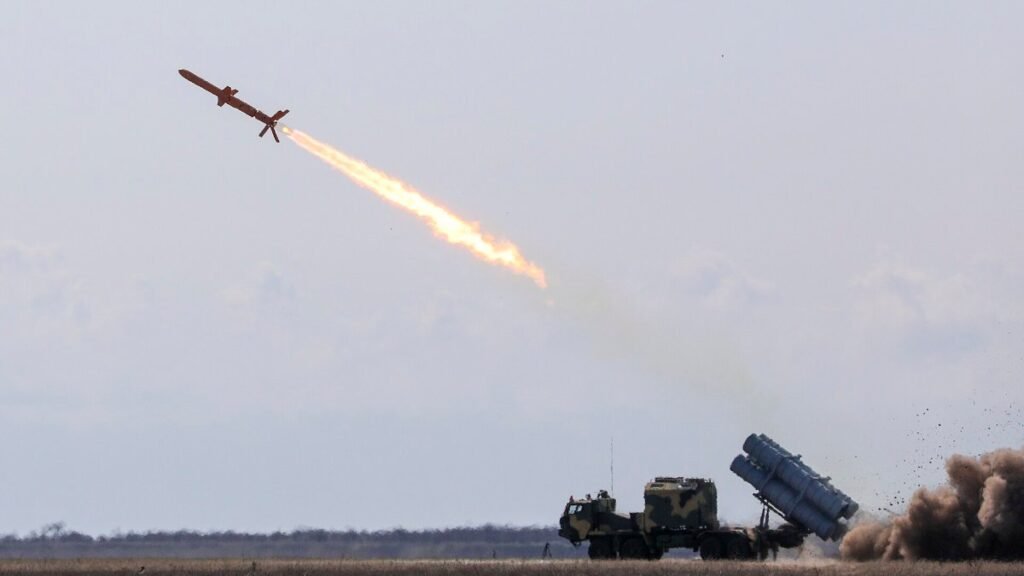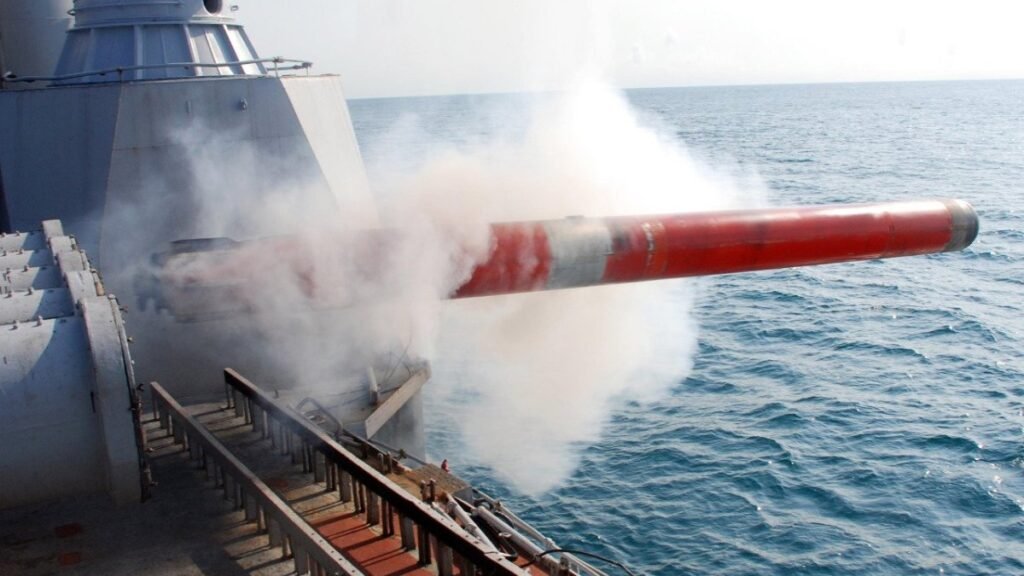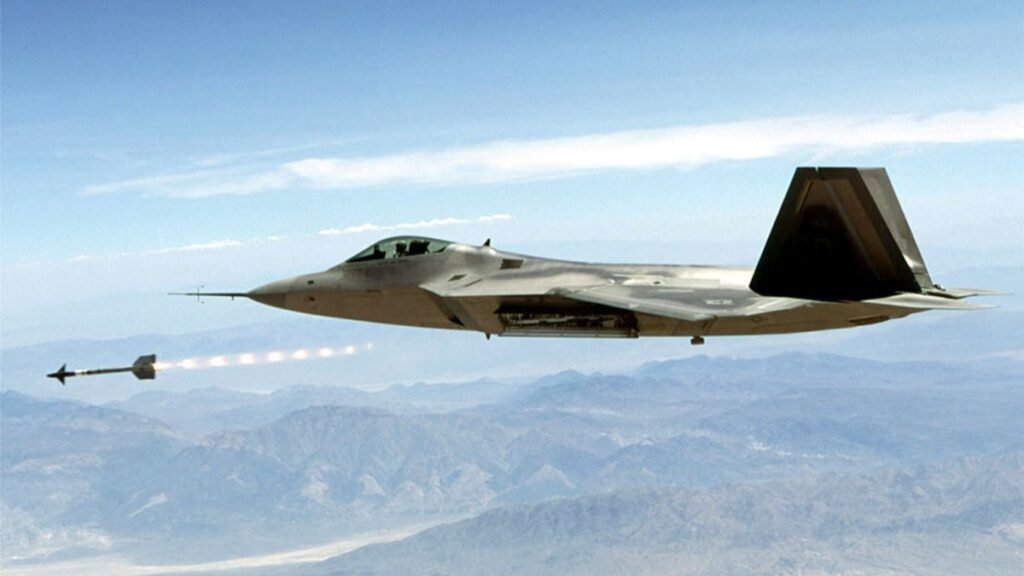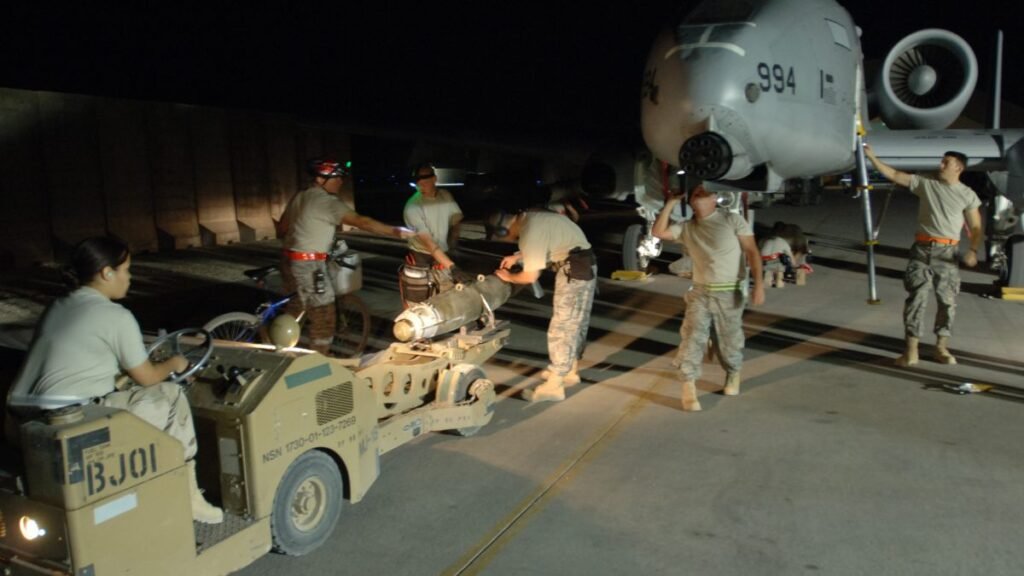
The U.S. military has now spent more than $47 billion fighting Iran, a Pentagon estimate shows, a jump of more than 25% from the $37.5 billion Defense Secretary Pete Hegseth cited in July. Most of the new money goes to one line item: replacing the missiles and bombs fired since February.
More than $29 billion of the total is the projected cost of replacing expended munitions, according to Pentagon data obtained by Reuters. Another $6 billion-plus would cover replacement equipment and what the department calls “platform losses,” a category that includes aircraft and drones lost in the fighting.
The estimate has not been released publicly. The Pentagon did not immediately respond to Reuters when asked about it. The Associated Press, citing the latest figure the Pentagon gave Congress, put the total at $47.1 billion.
How the number has grown
Washington has put three price tags on the war in four months, and each one has come in higher than the last.
| When | Who | Estimated U.S. cost |
|---|---|---|
| July 2026 | Defense Secretary Pete Hegseth | $37.5 billion |
| September 2026 | Congressional Budget Office | $38 billion |
| October 2026 | Pentagon estimate provided to Congress | $47.1 billion |
The September figure came from the Congressional Budget Office, which also found that the war had used up two-thirds of U.S. missile interceptors. Interceptors are among the most expensive rounds in the inventory, and they take a long time to replace.
Put the October numbers side by side and the shape of the bill is clear. Munitions are roughly 62% of the $47.1 billion. Lost and damaged equipment is about 13%. The remaining $12 billion or so, by StopCop.City’s calculation, covers day-to-day operations such as flight hours, fuel, deployments and cyber support.
Why the munitions line keeps climbing
The war plan explains a lot of the bill. President Donald Trump’s opening strategy relied on expensive, high-end precision missiles to knock out Iran’s air defenses first. Once those defenses were down, the plan was to switch to cheaper weapons such as the Joint Direct Attack Munition, a guidance kit that turns a plentiful gravity bomb into a precision weapon.
That switch did not go as planned. An April ceasefire gave Iran time to dig out underground storage sites, Reuters reported, bringing some air defenses, missiles and drones back into use that had been out of reach. That meant more high-end shots when fighting resumed.
Losses have added up too. A congressional report in early October showed the number of U.S. aircraft lost or damaged in the war had nearly doubled from an earlier count.
What the estimate leaves out
The $47 billion figure covers a long list of operating costs, but Reuters found it does not clearly account for one of the largest bills still to come: repairing U.S. bases struck by Iranian missiles and drones.
That gap has already drawn fire on Capitol Hill. One U.S. senator has accused the Pentagon of barring access to a base in Qatar to keep war damage out of view. The Pentagon has not released a public damage assessment for its Gulf bases.
Also missing is any cost for a new round of fighting. The United States has not struck Iran since early September, according to the AP, but it has kept a naval blockade of Iranian ports in place to cut off oil revenue. U.S. Central Command said last week the blockade has kept about $25 billion in Iranian crude off the market, CBS News reported. Our earlier report covers how Iran’s shadow fleet ran out of stored oil under the blockade.
More fighting could be weeks away
The cost figure surfaced as U.S. officials told several Middle East countries to prepare for possible renewed strikes on Iran after the Nov. 3 midterm elections, two diplomats briefed on the matter told the AP. Trump has not made a final decision, they said, and the White House declined to comment.
The diplomats said Washington described a campaign that could last several days. Regional officials expect Iran and its proxy groups to retaliate, which could stretch the fighting out, and U.S. officials have urged allies to protect energy sites and other critical infrastructure.
Trump has kept his own timeline loose. At a campaign stop in Lubbock, Texas, on Tuesday, he said the war would end “whenever I want it to end.”
Every extra day of strikes would land on the munitions line first. Precision missiles, interceptors and bombs used in a new campaign would all have to be bought again, on top of the $29 billion already owed for rounds fired since February.
The political bill
The numbers also arrive at an awkward moment for Republicans. The war has pushed up fuel prices across the economy, and Trump’s party holds narrow majorities in both chambers of Congress going into Tuesday’s vote.
Congress will eventually have to pay for most of it. Replacing munitions and lost aircraft is usually funded through supplemental spending requests on top of the regular defense budget, which means more votes on the war after the election. Read more on what Trump has said about how the war ends.
Planning has moved up a level this week. Adm. Brad Cooper, the head of U.S. Central Command, briefed Trump in person on Thursday about military options for Iran, with Hegseth and Joint Chiefs Chairman Gen. Dan Caine in the room, Reuters reported, citing The Wall Street Journal. Diplomacy is running alongside it. Qatari mediators returned to Tehran on Friday with a revised draft deal, and Trump said the same day that the war is “going to end soon,” without saying how, CBS News reported.
The force that would carry out any new strikes is already moving into place. The Pentagon sent the aircraft carrier USS Theodore Roosevelt and a group of amphibious ships carrying Marines, about 9,000 troops in all, from San Diego to the Persian Gulf late last month. A U.S. official told the AP that the deployment could put more than 20,000 sailors and Marines in the region, a level reached only a handful of times in two decades.
Sources
- Reuters via Military Times: US costs of Iran war rise to over $47 billion, according to Pentagon estimate
- The Associated Press: US warns allies to prepare for possible Iran strikes, retaliation after elections
- Military Times: Iran war has cost $38 billion, depleted two-thirds of US missile interceptors, CBO says
- Military Times: US aircraft lost or damaged in Iran war nearly doubles in latest congressional report
- Military Times: Pentagon barred Qatar base access to hide Iran war damage, US senator claims
- CBS News: Iran war live updates
- Reuters via The Times of Israel: Top US commander briefs Trump on Iran military options
- CBS News: Iran war updates, Oct. 30
Photo: Tech. Sgt. D. Clare/U.S. Air Force (public domain), file photo.